


We (BG Machinery) are a leading manufacturer of state-of-the-art beer brewing and filling equipment. With a rich history spanning over [number] years, we have built a strong reputation for excellence, innovation, and customer satisfaction in the brewing industry.
At BG, we understand the importance of quality brewing equipment in delivering exceptional beer to consumers. Our team of passionate engineers and industry experts are dedicated to designing and manufacturing cutting-edge brewing and filling machinery that meets the highest standards of performance, efficiency, and hygiene.
Our product range includes a wide variety of brewing equipment, including brewhouses, fermentation tanks, bright beer tanks, filtration systems, kegging, canning and bottling lines, and much more. Each piece of equipment is manufactured using the latest technologies and premium-grade materials, ensuring durability, reliability, and consistent quality throughout the brewing process.
Why Choose US
Our Factory
BG machinery was founded over 12 years ago as a manufacturing operation focused on producing high-quality, durable beer equipment for bars and breweries. The founder --- Mr. Hao, a veteran of mechanical manufacturing and passionate brewer himself, had a vision of creating equipment that would help other brewers achieve their craft with ease and efficiency.
Professional Team
With a dedicated team of engineers, designers, and craftsmen, we're constantly pushing the envelope on what's possible in beer equipment design, delivering cutting-edge products that help brewers create the perfect brew every time.
Our Product
Beer brewhouse, beer fermentation tanks, turnkey brewery equipment, beer bottling machine, beer canning machine, beer kegging machine.
Product Application
Beer bar, pub, restaurant, small brewery, craft brewery, home brewery, medium brewery, large brewery, industrial brewery, food street, BBQ barbecue shop.
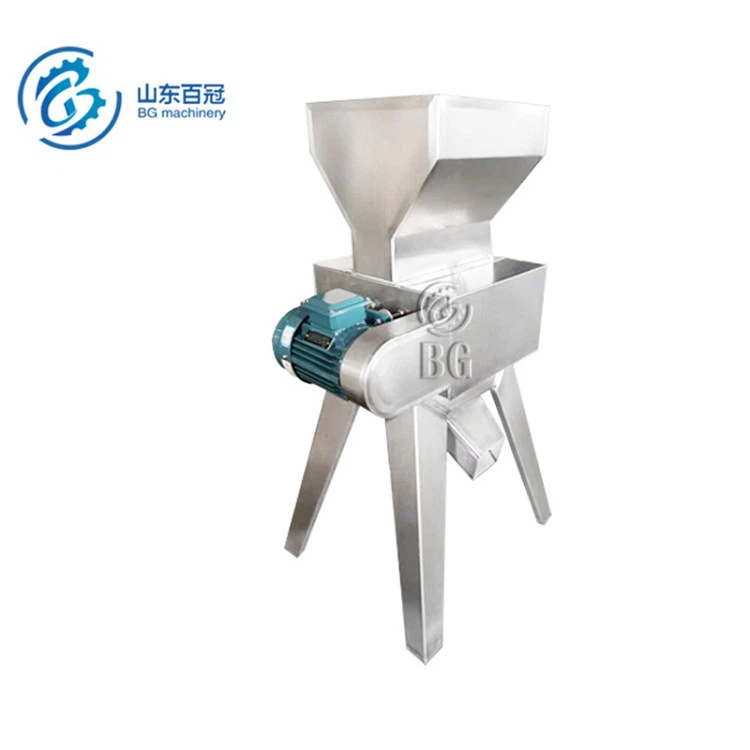
Malt milling machine is a specialized milling machine used in the process of brewing beer. It is designed to crush malted grains, such as barley or wheat, into a fine grist that can be used in the brewing process.
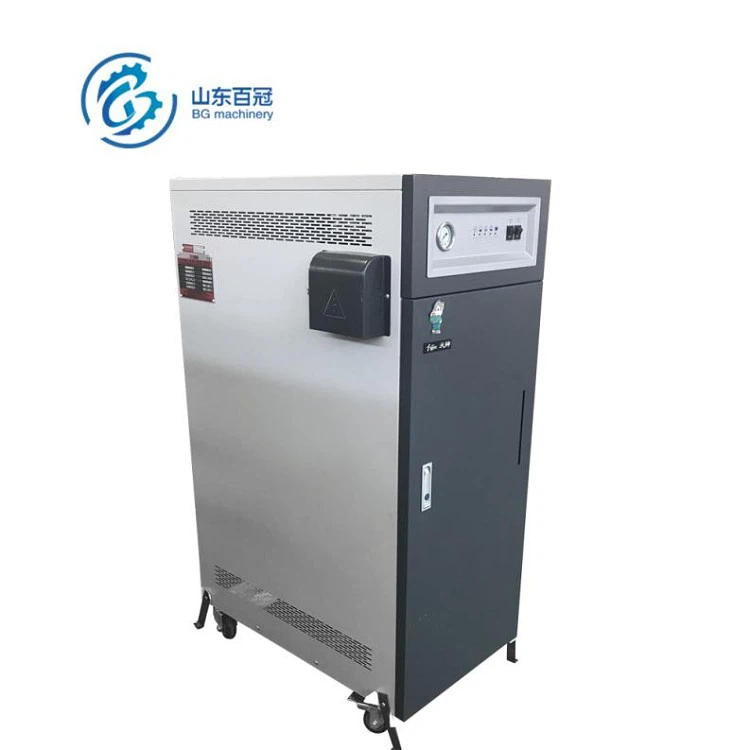
50kg/H, power 36kw electrical steam generator is suitable for 300L 500L beer brewhouse.
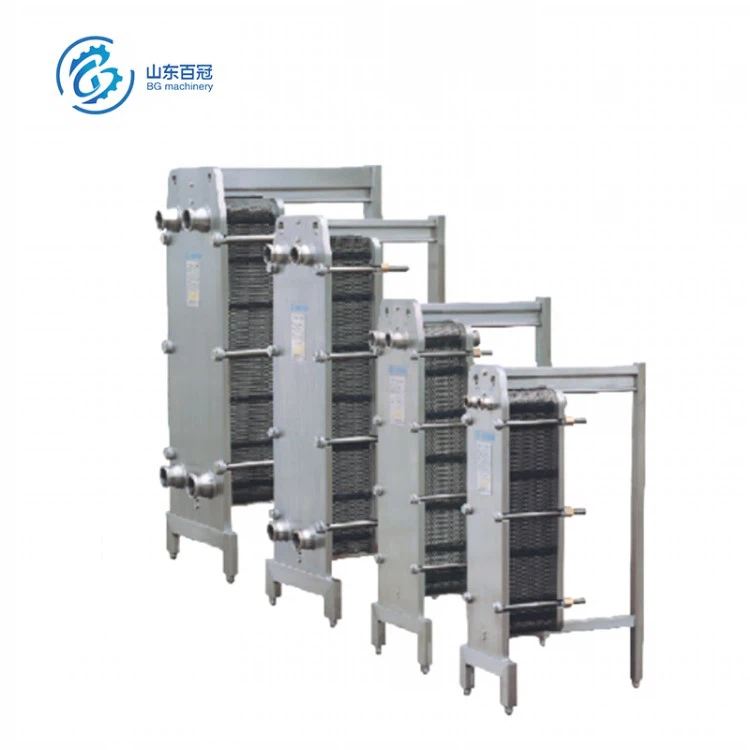
Plate Heat Exchanger Wort Chiller
Plate heat exchanger wort chiller is a specialized piece of equipment used in the process of brewing beer. During the brewing process, the wort (unfermented beer) needs to be cooled rapidly to a specific temperature to prevent contamination and facilitate the process of fermentation.

Chiller / Refrigerator for Brewery
A chiller or refrigerator for a brewery works by removing heat from various parts of the brewing process, such as the wort, fermenting beer, or serving beer. Depending on the specific equipment and the size of the brewery, a chiller or refrigerator may be used for one or multiple stages of the brewing process.
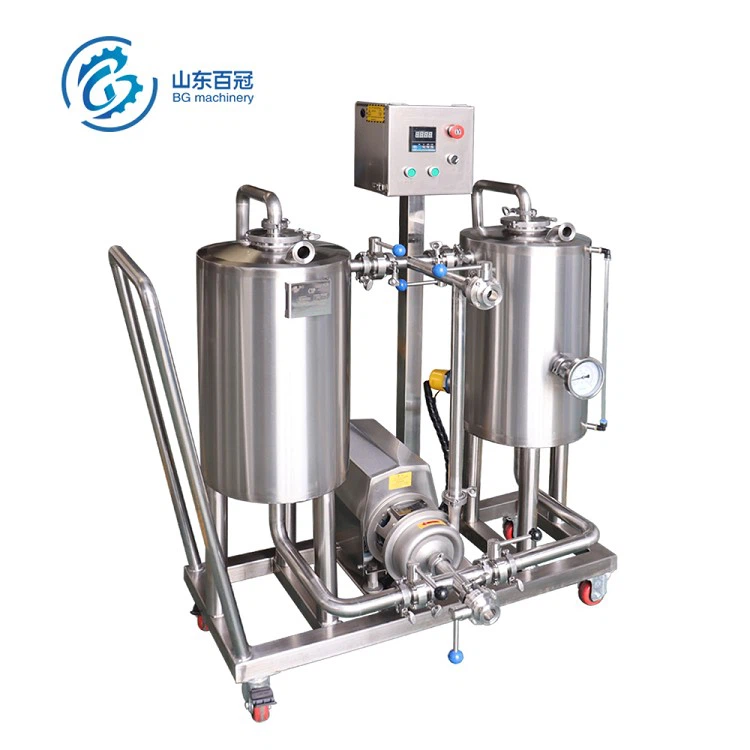
A CIP (clean-in-place) station for a brewery is a specialized cleaning system that is used to clean and sanitize the brewing equipment without disassembling it. The CIP process is used to maintain the cleanliness, hygiene, and quality of beer production in the brewery.

Yeast Expansion System Brewery
Yeast expansion system for a brewery is a specialized piece of equipment that is used to grow and expand yeast cultures. The system is used during the fermentation process to ensure that there is enough active yeast to complete the fermentation process.
What is Steam Generator for Brewhouse
A brewery steam generator is a specially designed piece of equipment used to generate steam during the brewing process to suit a variety of application needs. Steam has a variety of uses in beer making, including heating water, sterilizing equipment, and assisting in specific stages of the wine making cycle. Steam generators convert water into steam through heating, usually using electricity, gas, or other fuel sources. The design and functionality of brewery steam generators are customized to the unique needs of the brewing industry. Built with durability and efficiency in mind, these generators are capable of handling the high temperatures and continuous operation required in brewing operations.
Increased efficiency
Steam generators generate steam quickly and efficiently, speeding up the brewing process. This helps reduce production time and improve overall productivity.
Flexibility
Steam can be used at multiple stages in the beer making process, including heating, sterilization and specific process stages. Brewery steam generators can be adapted to different needs and adjusted as needed to support a smooth brewing process.
Improved product quality
Precise control of steam ensures consistent temperature and other key parameters during the brewing process. This helps improve product quality and consistency, making the final product more in line with consumer tastes and expectations.
Energy saving and environmental protection
Modern steam generators are usually designed to be energy efficient and can minimize energy waste. In addition, steam generators can reduce environmental impact by using clean fuels or renewable energy sources.
Reduce maintenance costs
High-quality steam generators are made of durable materials and have a long service life. At the same time, these devices are generally easy to maintain, which can reduce the frequency of repairs and replacement parts, thus saving costs.
Capacity assessment
Choosing the right brewery steam generator requires a thorough evaluation of production volumes. Ensure the selected generator has the capacity to meet current and future production needs to keep operations running smoothly.
Fuel type considerations
Different types of steam generators use different energy sources, such as electricity, natural gas, or dual fuel. Breweries need to consider cost, energy efficiency and environmental performance when choosing to find the type of generator that works best for them.
Automation and control
Advanced automation features and user-friendly control systems are critical to increasing steam generator efficiency. Make sure the generator you choose is equipped with a modern control interface and automation features that can help integrate into the brewing process and increase operational efficiency.
Maintenance requirements
Regular maintenance is the key to maintaining long-term stable operation of the steam generator. When selecting a generator, breweries need to understand and consider the maintenance needs of different types of generators in order to effectively plan and execute maintenance programs and reduce unnecessary downtime.
How to Use Steam Generator for Brewhouse
During the malting stage, the steam generator provides the necessary heat energy for the gelatinization process. Gelatinization is a key step in converting starch in barley into fermentable sugars. The steam generated by the steam generator is used to heat the gelatinization pot to ensure that the starch in the barley is fully gelatinized at the appropriate temperature and pressure. At the same time, during the wort preparation process, the steam generator also provides heat energy for boiling and clarification, helping to extract flavor substances in the wort and remove undesirable components.
Boiling is an important step in beer production. It aims to kill microorganisms in the wort through high temperature and ensure the safety and stability of the beer. The steam generator provides a stable heat source for the boiling pot, allowing the wort to continue boiling at a constant temperature to achieve the ideal sterilization effect. In addition, steam generators are also used for regular disinfection of production equipment to ensure the hygiene and cleanliness of the production environment and prevent microbial contamination.
Fermentation is the core link in beer production, and temperature control is crucial to the fermentation process. The steam generator creates a suitable growth environment for the yeast by adjusting the temperature in the fermentation tank. In the early stages of fermentation, the steam generator can provide an appropriate amount of heat energy, so that the temperature in the fermentation tank quickly reaches the optimal temperature for yeast growth; during the fermentation process, the steam generator fine-tunes the temperature as needed to ensure the smooth progress of the fermentation process. ; At the end of fermentation, the steam generator can help quickly lower the temperature for subsequent aging and packaging work.
The beer production process involves a large number of equipment and pipelines, which need to be cleaned and maintained regularly to ensure the hygiene and quality of production. The steam generated by the steam generator has the characteristics of high temperature and high pressure, which can effectively remove dirt and residues in equipment and pipelines to achieve thorough cleaning. At the same time, steam can also be used for disinfection and sterilization of equipment to prevent the growth and spread of microorganisms.
Construction of a Steam Generator
Boilers contain various moving parts that work together to burn fuel, generate heat and release steam. Here are some key components of a boiler:
Heat exchanger: The heat exchanger allows the boiler to exchange heat between two substances - such as water and gas - without mixing them. It's normally made of stainless steel and contains a long, coiled pipe. The heated liquid or gas passes through the pipe to heat the surrounding water.
Combustion chamber: The combustion chamber is where the fuel and air interact. The mixture burns to create heat and steam.
Expansion tank: The expansion tank provides a place for water to absorb and regulate pressure. It typically contains two sections - one controlled by an air valve to relieve pressure and one that accepts water from the boiler. The valve pushes against the water in the other section until the pressure is balanced.
Blowdown valve: This device helps eliminate solid impurities from the boiler water. Steam pressure forces the water out of the boiler, and the water takes these solids with it.
Return line: Steam return lines send water back to the boiler to be reheated and reused.
How Is Steam Generator Used in Brewery
Developing procedure for craft brewery
Wheat and barley aren't the only key active ingredients in making beer; warm is also a necessity.
Brewhouses require to be able to regulate the temperature level so the different active ingredients in the mixture respond a certain method and also produce the type of flavor they want. To do this, they need to heat water to a certain temperature using heavy steam home heating.
Brewery steam generator helps with sterilization and also sanitation
Heavy steam generators add even more to the craft developing process than simply heating active ingredients. There's also the matter of cleaning and disinfecting the devices and also devices that are utilized in brewing, including the mash tuns, brite containers fermenters, and so on. Breweries have a couple of various options for tackling this, including using dry heat or chemicals.
Heavy steam is the finest means to eliminate spores as well as microorganisms that might stick around on crucial brewing devices. Many healthcare facilities utilize vapor from their vapor generator inside an autoclave sterilizer to make certain laboratory and medical tools are free of harmful bacteria and also germs, and breweries can also make use of the steam from their heavy steam generators to guarantee their devices is effectively sterilized.
Steam systems help with cleaning up kegs
In addition to cleansing the equipment used to make the beer, steam is essential for cleaning up the tools utilized to deliver the beer, namely kegs.
If kegs aren't effectively cleansed, the beer you worked so difficult to create can be infected with a compound that's not in the dish. Sadly, warm water simply isn't good enough when it pertains to cleansing kegs, and also chemical cleansers can get the job done however aren't excellent.
This is an additional instance where steam from your steam generator is available in helpful. Heavy steam stress is the perfect means to clean as well as disinfect kegs before moving craft beer into them for transportation.
Tips for Maintaining a Steam Generator for Brewhouse




1. Schedule regular maintenance
Several boiler parts can wear down over time, so it's critical to catch issues when they're still small to avoid substantial ones in the future. Forgoing maintenance can also lead to dangerous boiler explosions and injuries. For instance, the boiler may be damaged if water drops too rapidly without triggering the trip switch. Proper maintenance can avoid these costly and hazardous scenarios.
An example maintenance schedule might include:
Daily: If you have a large steam boiler, check the water levels and safety valves and blow down the gauge glass. For small-scale breweries, check water levels, monitor pressure and inspect for leaks.
Weekly: Conduct a bottom blowdown to remove sediment and sludge from your boiler. For microbreweries, clean the heat exchanger surfaces and check the burner operation every week.
Monthly: Test your low-water cutoff safety controls and check combustion efficiency. Microbreweries should also test safety controls, calibrate gauges and inspect electrical connections, if applicable.
Quarterly: Performing a comprehensive inspection of all your boiler's components, including testing pressure relief valves, cleaning heat exchangers and identifying wear or damage, is critical every quarter.
2. Address steam trap leaks
It's important to regularly check the steam traps for leaks or blockages, as they can prevent the steam from efficiently heating the boiler and lead to water hammer. Water hammer occurs when rapidly moving steam condenses into water and causes damaging pressure surges to the system. Overwork can also lead to more fuel and water consumption.
Regularly checking for steam trap leaks can keep your system running optimally and prevent further maintenance.
3. Check gauge performance
Regularly monitoring your boiler's gauges can help you catch potential issues early. The gauges tell you if your boiler is operating within the correct pressure, temperature and water level ranges. They are also critical for preventing overpressure or overheating and damage.
4. Conduct blowdowns
Water often contains dissolved minerals like calcium, alkaline ions, magnesium, chloride and iron. These minerals can build up on the boiler's inner surfaces and cause scale, a whitish substance that can obstruct heat transfer. Performing a weekly blowdown can remove the sediments to prevent scale buildup, maintain water quality and extend the life of your boiler.
5. Apply water treatments
It's crucial to use a daily cleaning treatment to control corrosion, scale and microbial growth in your boiler.
Consistently applying treatments can preserve the integrity of your equipment and ensure product quality. However, incorrect dosing can lead to damage or safety issues.
6. Monitor for pressure loss
In addition to their closed design, boilers face a lot of pressure as the steam expands when it turns into water. If your boiler is losing pressure, this usually indicates a leak in the system. Be sure to monitor your boiler's pressure gauge each week. Ranges should be within the green, while red ranges signify critical scenarios.
Check the valves and tank's exterior where leaks are most frequent. Note that cold feedwater could reduce steam production if your tank has an on-off water feed, resulting in temporary pressure drops. An undersized heating element can also make it challenging for the water to boil and generate enough steam, resulting in low pressure.
7. Fix steam and water leaks
Repair steam or water leaks promptly before they worsen. Leaks can release steam and water and potentially let contaminated air and water into the boiler. This can lead to corrosion, damage, microbial growth, and wear and tear. To check for leaks, do the following:
Inspect your tank's exterior: In open-system boilers that use fresh water, you might notice water boiling excessively at the waterline, creating a hole in the tank. Depending on the extent of the damage, you may need to shut down the system and refill the tank up to the piping yourself or hire an expert to do it for you. If you uncover a leak, have professionals repair it right away.
Inspect the valves or air vents: Leaks can also appear outside the tank, such as in valves or air vents. A water meter can help determine if your closed system has a leak. From here, you can schedule a repair.
FAQ
Hot Tags: steam generator for brewhouse, China steam generator for brewhouse manufacturers, suppliers, factory, brewing yeast propagator tube, wort cooling plate, beer centrifuge accessories, brewery forklift attachments, wort pump seal, brewing yeast propagator heater


