


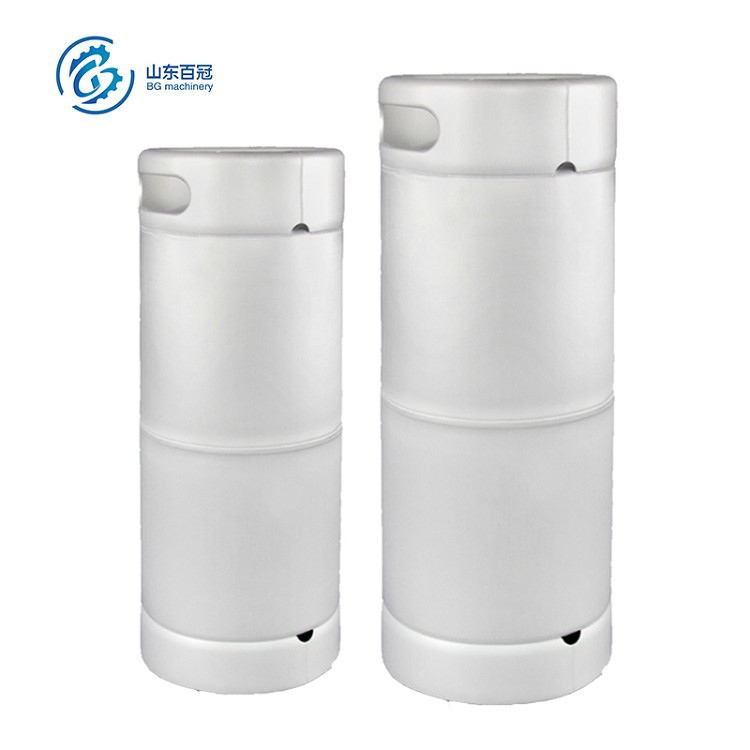
What is Stainless Steel Beer Keg
Stainless steel beer kegs play a vital role in the brewing industry. They are responsible for retaining a beer's quality and flavor, which is necessary for customer satisfaction. However, there are a variety of keg options out in the market.
Benefits of Stainless Steel Beer Keg
Durable
Stainless steel beer kegs are highly durable and can stand up to the wear and tear of repeated use. They are also resistant to scratches and corrosion, making them great for long-term storage.
Safeguards the Beer
Stainless steel beer kegs help to protect the beer from air and light exposure, which can cause it to go bad more quickly. They are also designed to maintain the ideal temperature and keep the beer tasting fresh.
Easy to Clean and Maintain
Stainless steel beer kegs are easy to clean and maintain. They can be cleaned with a mild soap and water solution, and need to be sanitized regularly.
Compact and Portable
Stainless steel beer kegs are lightweight and easy to transport. They are also stackable, making them great for sorting and storage.
Reusable
Stainless steel beer kegs can be reused again and again. This makes them a more sustainable option than traditional beer bottles or cans.
Good Value
Stainless steel beer kegs have a relatively low upfront cost and are more cost-effective in the long run. They can be refilled and reused, ensuring a better return on your investment.

This machine adopts the patent technology of the isobaric pressure filling. The whole filling process is controlled automatically by SIMENS PLC, which is very easy and stable.

This beer filling capping machine is used for filling and capping 0.5-2L stainless steel bottles (or cans). The whole filling process is automatic operation. The control unit adopts the programmable controller of Siemens of Germany for the whole process control. All control parameters (time...

The 16 heads filling machine designed by BG machinery adopts the counter /isobaric pressure filling technology which can perfectly realize the requirements of twice vacuum, CO2 injection.

Automatic Beer Canning Machine
The 12-1 beer can filling and seaming machine is a specialized piece of equipment designed to fill and tightly seal beer cans using the isobaric filling principle.

Tunnel Pasteurizer For Beer Bottling Line Canning Line
With the increasing demand for beer in the market, many breweries are looking for ways to produce high-quality products efficiently. One of the most efficient and popular methods of beer pasteurization is the tunnel pasteurizer, which is widely used today. Tunnel pasteurizers are designed to...

Beer Keg Filling Washing Machine
This machine is designed for the washing and sterilizing work of all kinds of beer refreshing containers (including stainless steel keg and plastic beer keg).

Beer can filling seaming machine is a specialized piece of equipment used in the beverage industry to automate the process of filling beer cans with liquid and sealing them to prevent any leaks or contamination.

3000BPH Automatic Beer Filling And Capping Machine
Beer bottle rinsing filling capping 3 in 1 machine is a special piece of equipment used in beer bott plants. As its name implies, it is able to rinse, fill, and cap bottles of beer automatically, with minimal manual labor and maximum efficiency.

Counter Pressure Beer Bottle Filler
Counter pressure beer bottle filler is a device that is used to fill bottles with carbonated beer without significantly reducing the carbonation level. It is commonly used by beer enthusiasts, brewers, and breweries.
Why Choose us
Well Equipped
Our product range includes a wide variety of brewing equipment, including brewhouses, fermentation tanks, bright beer tanks, filtration systems, kegging, canning and bottling lines, and much more.
Quality Assurance
Our commitment to quality and innovation has led to numerous awards and recognitions within the industry, further cementing our reputation as a trusted and reliable source for all brewery equipment needs.
Excellent team
With a dedicated team of engineers, designers, and craftsmen, we're constantly pushing the envelope on what's possible in beer equipment design, delivering cutting-edge products that help brewers create the perfect brew every time.
Size
The size of the beer keg you need depends on how much beer you plan on brewing. The most common sizes are 1 gallon, 2.5 gallon, 5 gallon, and 10.5 gallon. The bigger the keg, the more beer it can hold.
Type
There are two main types of stainless steel beer kegs: pony kegs and cornels. Pony kegs are smaller and can hold up to 5 gallons of beer, while Cornelius kegs are bigger and can hold up to 10.5 gallons of beer. Both come in either stainless steel or aluminum.
Features
When looking for a stainless steel beer keg, consider these features:
●Pressure relief valve: This is a safety valve that allows excess pressure in the keg to escape, preventing accidents.
●Gasket: The seal between the lid and body of the keg. Make sure it's made of food-grade material that won't break down over time.
●Lid: Choose a lid that's easy to open and close, as you'll be doing this often.
●Drain: Look for a keg that has an easily removable drain valve so you can easily clean it.
●Tap/spout: This is where you'll be filling and pouring the beer, so choose a tap/spout that is leakproof and easy to use.
Price
Price is an important factor to consider when selecting a stainless steel beer keg. Pony kegs tend to be cheaper than kegs, but make sure you don't skimp out on quality for the sake of price.
Stainless Steel Beer Keg Components
Tap and Faucet
The spigot and spigot are the most obvious components of the stainless steel beer keg. They are used to dispense beer from kegs. The tap or beer coupler connects to the keg valve, while the tap stem connects to the tap handle. The valve keeps the beer inside the keg, while the tap stem and spigot allow the beer to flow. Keg faucets come in different types, including Sankey connectors and keg connectors. Faucet levers are usually made of brass or stainless steel and have levers that control the flow of beer.
Beer Production Lines And Seals
Beer lines and seals are used to transport beer from the stainless steel beer keg to the draft beer tap. The draft beer tap line is the tube that connects the draft beer tap back to the keg. The line is usually made from food-grade plastic or vinyl. Seals are used to prevent leaks and maintain pressure within the barrel. They are usually made of rubber or silicone and are placed between the various parts of the keg.
Spear And Dip Tube
Spears and dip tubes are used to pull and dispense beer from the barrel. A spear is a metal tube inserted into the stainless steel beer keg and used to pull and inject gas into the keg. The dip tube is a metal tube that extends from the spear to the bottom of the keg. It is used to draw beer from the barrel and transport it to the beer production line.
The neck is damaged. Visible stainless steel beer keg neck wear can cause seal or spear damage, leading to carbonation and leakage. Lean on the exterior state of your keg as a visual indicator of interior quality. This will allow you to quickly identify issues without needing to perform a full inspection.
Lack of pressure. Pressure-related issues may be caused by damage to the gasket, or a leak in the stainless steel beer keg itself. A loss of pressure will cause beer to go flat, eliminating the keg from your active fleet until fixed.
Product taste is awry. This could be caused by a number of factors, including interior damage, oxygen exposure, or beer-stone/bacteria buildup. If product tastes off, start by running the stainless steel beer keg through a passivation cycle. If that doesn't fix the problem, initiate a more thorough inspection.
Assess and repair or replace any stainless steel beer keg in question as quickly as possible. Doing so will ensure that your product and brand – Maintains its quality.
Step 1) Inspect.
When you first receive your stainless steel beer keg, inspect it for cracks and scratches. You want the inside to be smooth. If it is not, call your manufacturer and trade out. Remains of wine can embed in those grooves and could have an effect on the taste of the next wine you put in there. For this reason, it's also important you don't use harsh abrasives or steel wool to clean your barrel.
Step 2) Clean.
Before your first use of the stainless steel beer keg you should rinse your equipment and you can use a non-hazardous, buffered alkaline cleaner to remove any residual oils or dust from the manufacturing process. Just be sure to rinse well with warm water followed by tepid or cold water.

Step 3) Expose.
After using your barrel there are really just two steps to cleaning it. Repeat your cleaning procedure from above. As you are doing that make sure the surface is exposed to be sanitized. In other words rinse or scrub off any dirt or dried grape skin during this cleaning process. This way the inside of your barrel can be sanitized properly. If the sanitizer can't come in contact with the steel because it's blocked by grape leftovers, it won't work.
Step 4) Sanitize.
Now the barrel is ready to sanitize! Do this by pouring in your sanitizer and swirling it to cover the entire area of the barrel. Wait for the recommended time. Then rinse. When sanitizing be sure not to exceed the sanitizer manufacturers' recommended concentration for stainless steel equipment.
You should also sanitize immediately before product enters the barrel. Do not close the barrel for empty storage with wet sanitizing solution on the stainless steel surface, make sure it is dry first.
Manufacturing Process of Stainless Steel Beer Kegs
Raw Material Preparation
The first step in manufacturing stainless steel beer kegs is to select high-quality stainless steel materials. Commonly used stainless steel types are 304 and 316, both of which have good corrosion resistance and mechanical properties.
Cutting And Forming
Stainless steel sheets are cut according to the design size, and then formed into the basic shape of the barrel body through stamping and curling processes. This process requires high-precision equipment and skilled operators to ensure that the size and shape of the barrel body meet the design requirements.
Welding And Assembly
After the barrel is formed, the different components need to be welded and assembled. The welding process must be strictly controlled to avoid weld defects. After welding is completed, a series of inspections and tests are required to ensure the strength and sealing performance of the weld.
Surface Treatment
The surface treatment of stainless steel beer kegs includes polishing and cleaning to remove the oxide layer and impurities on the surface, improve its corrosion resistance and aesthetics. After polishing, strict cleaning is required to ensure that there are no residual chemicals or contaminants on the surface.
Quality Inspection
Strict quality inspection is required at every link in the manufacturing process. The final product is also subject to comprehensive performance testing, including sealing testing, pressure testing and corrosion resistance testing to ensure that each beer barrel meets the use requirements.
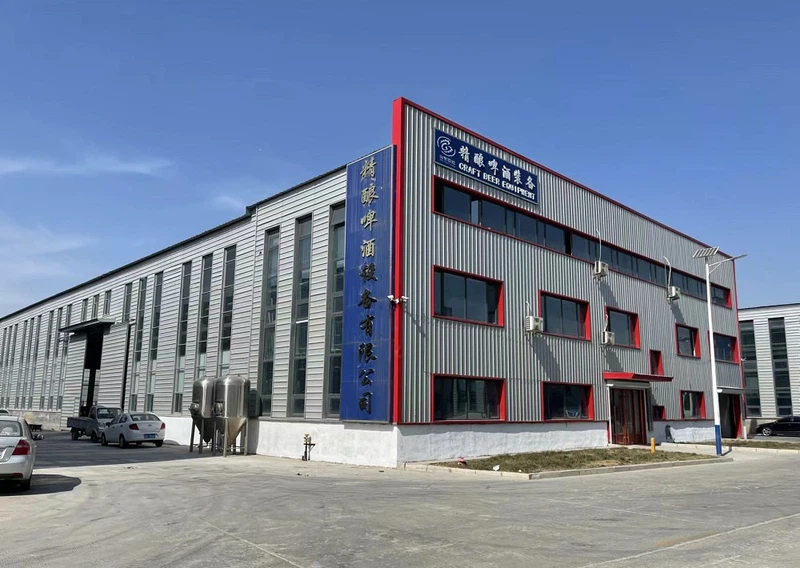
Our Factory
BG machinery was founded over 12 years ago as a manufacturing operation focused on producing high-quality, durable beer equipment for bars and breweries. The founder --- Mr. Hao, a veteran of mechanical manufacturing and passionate brewer himself, had a vision of creating equipment that would help other brewers achieve their craft with ease and efficiency.
Over the years, we've grown to become a of beer equipment in our region, expanding our product line and distribution to reach customers across the country and globally. Our commitment to quality and innovation has led to numerous awards and recognitions within the industry, further cementing our reputation as a trusted and reliable source for all brewery equipment needs.
Our Certificates


Asked Questions
Hot Tags: stainless steel beer keg, China stainless steel beer keg manufacturers, suppliers, factory, 50BBL Brewing Systems, 25BBL Brewing System, Beer Kegging Machine, CIP Station Brewery, 2500L 25HL Beer Brewing Equipment, 800L Beer Fermentation Tank


