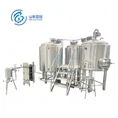
We (BG Machinery) are a leading manufacturer of state-of-the-art beer brewing and filling equipment. With a rich history spanning over [number] years, we have built a strong reputation for excellence, innovation, and customer satisfaction in the brewing industry.
At BG, we understand the importance of quality brewing equipment in delivering exceptional beer to consumers. Our team of passionate engineers and industry experts are dedicated to designing and manufacturing cutting-edge brewing and filling machinery that meets the highest standards of performance, efficiency, and hygiene.
Our product range includes a wide variety of brewing equipment, including brewhouses, fermentation tanks, bright beer tanks, filtration systems, kegging, canning and bottling lines, and much more. Each piece of equipment is manufactured using the latest technologies and premium-grade materials, ensuring durability, reliability, and consistent quality throughout the brewing process.
Why Choose US
Our Factory
BG machinery was founded over 12 years ago as a manufacturing operation focused on producing high-quality, durable beer equipment for bars and breweries. The founder --- Mr. Hao, a veteran of mechanical manufacturing and passionate brewer himself, had a vision of creating equipment that would help other brewers achieve their craft with ease and efficiency.
Professional Team
With a dedicated team of engineers, designers, and craftsmen, we're constantly pushing the envelope on what's possible in beer equipment design, delivering cutting-edge products that help brewers create the perfect brew every time.
Our Product
Beer brewhouse, beer fermentation tanks, turnkey brewery equipment, beer bottling machine, beer canning machine, beer kegging machine.
Product Application
Beer bar, pub, restaurant, small brewery, craft brewery, home brewery, medium brewery, large brewery, industrial brewery, food street, BBQ barbecue shop.

25BBL Four Vessel Brewhouse System
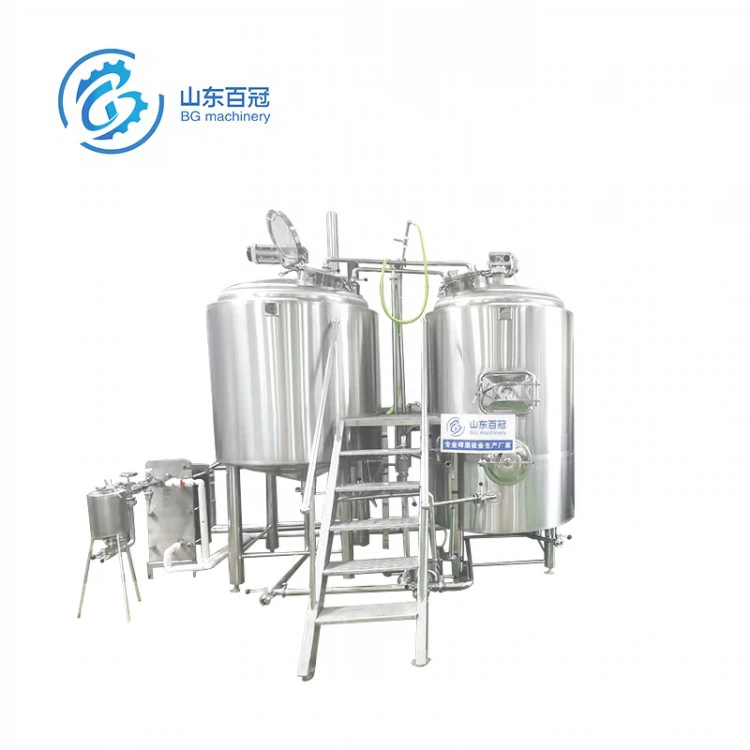
A 25bbl four-vessel brewhouse system typically consists of four separate tanks used for the brewing process: the mash tun, the lauter tun, the brew kettle and whirlpool tun (service tank: hot water tank, cold water tank).

A 4bbl 3-vessel brewhouse can be a great addition to any craft brewery. This size brewhouse is perfect for small to medium-sized operations, offering enough capacity to produce a range of high-quality craft beers without overwhelming the brewing team's workload.

The space required for a 30BBL brewing equipment will depend on several factors such as the size of the equipment, the layout of your brewing area, and the need for storage space, among other considerations.

When referring to a 500L brewhouse, we are typically discussing a commercial brewing system used in the production of beer. The parameter of a brewhouse refers to its specifications and features.

1000L 3-Vessel Brewhouse is designed to deliver best-in-class brewing quality, efficiency, yield and simplicity for today's rapidly growing craft breweries.

A nano brewery system is a small-scale brewing setup that produces beer in small batches, typically no more than 3 barrels at a time.

Micro Brewery Equipment is equipment that is used for brewing beer on a small scale. It is typically used by craft brewers, home brewers and small breweries.

500l Micro Brewery Equipment refers to a brewing system designed to produce 500 liters of beer at a time. This type of equipment is ideal for small and medium-sized breweries that want to produce a variety of beer styles for local consumption.

5bbl (barrel) beer brewing equipment typically includes a mash tun, lauter tun, brew kettle, fermenters, and a chiller. The mash tun is where the crushed grains are mixed with hot water, creating a sugary liquid called wort.
What is Nano Brewery System
The brewhouse is the foundation of any brewery system; it typically consists of three main vessels: the mash tun, the lauter tun, and the kettle. The mash tun is where malted grains mix with hot water, facilitating the enzymatic breakdown of starches into fermentable sugars. The resulting liquid, known as wort, then separates from the solid grain material in the lauter tun. Then the wort transfers to the kettle, where it boils to add hops and develop its flavor.
Advantages of Nano Brewery System
Improved efficiency
One of the main advantages of high-tech commercial beer brewing systems is how they can help reduce production time and labor costs. By automating certain parts of the brewing process, brewers can save time and energy that would otherwise be spent on manual labor. These systems also use sensors and other technology to monitor the brewing process and ensure each batch of beer comes out consistently and to the highest quality.
Higher quality beer
Another advantage of using high-tech commercial beer brewing systems is that they can help improve the quality of beer. These systems use advanced technology to monitor the brewing process and ensure that each batch of beer is consistent with the recipe. This can help to reduce inconsistencies and ensure each batch of beer is ready to serve.
Better control over the brewing process
High-tech commercial beer brewing systems can also help brewers to gain better control over the brewing process. With advanced sensors and technology, brewers can monitor the entire brewing process and make adjustments as needed. This can help ensure that each batch of your beer is brewed to the highest standards and that the final product is perfect.
Functions of Brewery Equipment
Brewery equipment is not just about turning water and grains into beer. It's an intricate symphony of processes, each designed to extract the best flavors, aromas, and mouthfeel from the ingredients. Every piece of equipment has a designated function in the brewing process, ensuring that the end product is nothing short of perfection.
The Key Functions of Major Brewery Equipment:
Malt Milling Equipment: This device crushes and grinds malt. Its main purpose is to extract fermentable sugars from grains. A good malt mill ensures even grinding, leading to better sugar extraction during the mashing process.
Mash and Lauter Tuns: They play dual roles. The mash tun is where grains are soaked in hot water, activating enzymes that convert starches into sugars. The lauter tun, on the other hand, separates the liquid wort from the grain husks.
Boil Kettles: Boiling the wort not only sterilizes it but also facilitates the addition of hops. This process helps in imparting the desired bitterness, flavor, and aroma to the beer.
Heat Exchangers: They are responsible for cooling down the hot wort quickly to a temperature suitable for fermentation. Rapid cooling is essential to prevent the growth of unwanted bacteria.
Fermentation Tanks: Perhaps the most crucial phase in beer production is fermentation. Here, yeast is introduced to the wort, converting sugars into alcohol and carbon dioxide. The tanks are sealed to provide an anaerobic environment for the yeast to function efficiently.
Copper
Before stainless steel entered the market, copper was the metal of choice for manufacturing brewery equipment. Copper has excellent thermal conductivity and is also a reliable metal for manufacturing brewery equipment. Of course, it is also the easiest metal to manufacture, and you can choose to make your own custom equipment. But, when the price of stainless steel becomes cheaper, the popularity of copper will drop sharply. At present, most brewery equipment will choose stainless steel as the production material.
Copper is not completely inert to beer, but it will build a stable oxide layer under suitable conditions. Copper with an oxide layer will not bring the metallic taste to the beer (that is, prevent chemical reactions).
Copper is also easy to clean and maintain. You can use detergent or sodium percarbonate cleaner to clean regularly, which can ensure the cleanliness of the copper and the integrity of the oxide layer. But, excessive scrubbing is actually detrimental to it. A healthy oxide layer will give the copper a dull and matte surface, and will no longer have a bright or shiny surface.
Also, more oxides are not better. Copper produces a toxic blue-green oxide, which is called patina. If you see blue-green anywhere on the copper brewing equipment, you need to scrub thoroughly with vinegar or oxalic acid cleaner.
Aluminum
Aluminum can be made into brewing tanks, but it should not be used to store beer for a long time. The thermal conductivity of aluminum is half that of copper, but it is better than stainless steel. Although the thermal conductivity is worse than copper. But, aluminum also has important advantage-under normal brewing conditions, it will not be corroded by beer or add any metallic taste to the beer. If aluminum is exposed to other metals (including copper) for a long time, it will corrode, and short-term contact is acceptable. Under normal circumstances, brewers using aluminum brewery equipment will choose 3003 or 3004-grade aluminum because of their excellent corrosion resistance.
You can use cleaners that are almost the same as copper cleaners to clean aluminum. It is recommended to use odorless detergent or percarbonate cleaner. Bleach and other corrosive cleaning agents have been eliminated. The inability to use corrosive cleaners on aluminum is a problem for professional brewers. Using milder detergents to do more work with inefficient tools, brewers need a quick and effective disinfection method.
Stainless steel
The use of stainless steel to manufacture brewery equipment has become a standard in the beer industry, and most homebrewers dream of having a complete set of stainless steel brewery equipment. The stainless steel brewery equipment is easy to sterilize, inert to beer, corrosion-resistant, and durable. Some brewers hope that the appearance of the brewery equipment is copper because the color of copper is more attractive to consumers.
You can use cleaners that are almost the same as copper cleaners to clean aluminum. It is recommended to use odorless detergent or percarbonate cleaner. Using milder detergents to do more work with inefficient tools, brewers need a quick and effective disinfection method.
Brewery System Process
Beer brewhouse equipment carries out the brewhouse process through a series of steps
Mash
Sprouted grain (usually barley) is mixed with hot water in a vessel called a mash tun. Enzymes present in malt, such as amylase, break down complex starches into simple sugars, including maltose and glucose.
01
Mash conversion
The mash is kept within a specific temperature range to activate the enzymes and promote their activity. This temperature-controlled environment optimizes the conversion of starch to fermentable sugars.
02
Filter
After mashing is complete, the liquid part called wort is separated from the solid grain material in a process called lautering. Filtration involves transferring liquid through a filter bed (usually located in a lauter tun) to separate the sweet wort from the spent grains.
03
Injection
Jetting is the process of rinsing the grain bed with hot water to extract as much fermentable sugar as possible. This ensures most efficiency of sugar extraction and minimizes waste.
04
How to Choose Brewery Equipment
Choosing brewery equipment is one of the most crucial decisions a brewer makes. The right equipment not only affects the quality of the beer but also the efficiency and profitability of the brewing operation.
Assess Your Needs: Before delving into the vast world of brewery equipment, it's essential to assess your brewing needs. Are you a homebrewer looking to scale up? A craft brewery aiming for mass production? Understanding your goals helps narrow down equipment options.
Budget Considerations: Brewery equipment varies greatly in price. While it's tempting to opt for the cheapest option, consider the long-term value. High-quality equipment, though pricier, can offer better performance, durability, and cost savings in the long run.
Space and Scalability: The physical space available plays a crucial role in equipment selection. Moreover, think about future scalability. Opt for modular systems that can be expanded easily, ensuring that as your production grows, your equipment can adapt.
Material and Build Quality: The best brewery equipment is often made of high-quality stainless steel, known for its durability, resistance to corrosion, and ease of cleaning. The thickness of the steel, welding quality, and finish are factors to consider.
Features and Technology: Modern brewery equipment comes with a slew of features. Automated systems, digital controls, energy-saving mechanisms, and advanced safety features can make the brewing process more efficient and consistent.
Seek Recommendations and Reviews: Engage with fellow brewers, join brewing forums, and attend industry events. Peer reviews and recommendations can offer invaluable insights into the performance and reliability of equipment brands and models.
Beer Brewhouse Equipment Cleaning Processes


Cleaning the brewhouse
Ideally the brewhouse should be cleaned after use, but this isn't always possible on the same day. However, once brewing is complete, it's essential that the entire brewhouse system is at least rinsed.
Rinse all organic matter washed away with a hose or pressure washer
Spray hot water into the vessel to loosen any dirt, then spray again with hose or pressure washer
Run hot water through all the pipework to remove any trace of wort, grain, etc.
Run hot water through the heat exchanger to dislodge any solids. If possible, run hot water backwards through the heat exchanger for best results.
The next step is to give the vessels a quick caustic wash. This will remove the more stubborn dirt. Recirculate a hot caustic wash (up to 80℃) through any dirty vessels, giving each one at least 30 minutes. If the vessels have been well rinsed and there's not too much organic matter to begin with, you can reuse the same cleaning solution on each vessel.
Run the caustic cleaning solution through the pipes and let it soak for around 30 minutes. Rinse everything well.
Cleaning the heat exchanger
This is one of the most important tasks, as it is here that the wort loses the protection of heat, and becomes susceptible to infection. After a hot rinse, recirculate a hot caustic wash through the heat exchanger, using a filter to catch the worst of the debris.
Recirculate for at least 30 minutes, and then let soak for another 30 before rinsing thoroughly. For best results, backwash the heat exchange, making sure to rinse out both ways.
Before the next use, some brewers run a sanitizing acid solution through the heat exchange to kill off any potential threats, and let it soak until ready to use. Alternatively, run boiling (or higher than 75℃) water or even wort through the heat exchanger to sterilize it with heat.
Cleaning fermenting vessels and conditioning tanks
Fermenting vessels and conditioning tanks should be cleaned out after being emptied. The sooner you do this, the easier they are to clean, as dried foam and yeast can stick to the edges.
Emptying
To empty the vessel, you should first start depressurizing it by opening the spray ball valve. Be sure to turn on any extractors or open the doors and windows to vent the co2 – and if you start to feel dizzy, head outside for some fresh air immediately.
Next, hook a hose to the exhaust valve, and open it slowly. Sometimes, especially after high dry-hop doses, the valve can become clogged. Pump hot water back into the valve to dislodge the blockage. Empty the yeast, trub, and whatever's left of the beer into the drain if allowed. Once it's empty, open up all the valves and the manhole and allow it to vent.
Rinsing
First of all, give the vessel a good rinse with hot water via the spray ball – this should dislodge the worst of the dirt. Next, open up the manhole and valves, and take a look inside – be careful not to breathe in the co2. Use a hose to rinse off any stubborn parts, but don't spend too much time doing so. Leave the valves and manhole open and vent for at least an hour before the caustic wash. This releases the co2 from the vessel, which would otherwise neutralize the caustic soda, or in severe situations, cause a vacuum failure and implode your vessel.
Caustic wash
Close the manhole and all valves, and hook the vessel up to your cip station or cleaning pump. Fill with a caustic soda/warm water solution at 1%, and recirculate for at least 30 minutes. In most cases, this is enough to clean the worst organic matter off.
Empty the caustic, and rinse thoroughly with hot water. You can use a ph metre to check that the caustic has been completely rinsed away. Never rinse out a hot caustic wash with a cold rinse – this can cause a vacuum failure and lead to tank implosion! In most cases, a vacuum safety valve should stop this from happening, but prevention is the best cure.
Disassembly
After a good hot rinse, carefully remove all the valves, racking arms, carbonation stones (wear gloves when handling the carbonation stone, as the oils from your skin can block the pores), etc. From the vessel. Check the openings and scrub or rinse out any dirt that remains. Often, deposits of yeast can build up in these areas, and will need to be cleaned by hand. Wash all of the pieces (including clamps and gaskets) by hand and let soak in hot water. Rinse off and reattach everything, ready for an acid wash.
Acid rinse
Allow the vessel to cool down fully before giving it a rinse with acid. Normally, you should only do the acid rinse on the same day that you'll fill the tank. This offers the best protection. Simply hook the vessel up to your cleaning station and recirculate a mix of peracetic acid and water (0.1% acid to water) for around 30 minutes. At this concentration, you won't need to rinse the tank out after emptying it.
Cleaning new equipment
Before using your new equipment you'll need to give it a good clean. First of all, carry out a visual inspection of the interior surfaces, taking note of oil stains, dust, and welding debris. Most new equipment is passivated and pickled prior to shipping, so it should be in good condition – but be sure to verify this with your supplier in advance.
New equipment will normally just need a good hot rinse via the cip system, followed by a light caustic wash and a final hot rinse.
FAQ
Hot Tags: nano brewery system, China nano brewery system manufacturers, suppliers, factory, beer brewing efficiency, 2500L 25HL Beer Brewing Equipment, beer brewing process control system, beer brewing process improvement techniques, industrial beer brewing best practice sharing, brewery equipment installation