

Malt dust is a common by - product during the operation of a Malt Milling Machine. As a Malt Milling Machine supplier, we understand the significance of preventing the spread of malt dust. Not only does it pose health risks to the operators, but it can also lead to environmental pollution and potential damage to equipment. In this blog, we will explore several effective ways to prevent malt dust from spreading during the operation of a Malt Milling Machine.
1. Proper Machine Enclosure
One of the most fundamental steps in preventing malt dust spread is to ensure that the Malt Milling Machine is properly enclosed. A well - designed enclosure can act as a physical barrier, containing the dust within the machine's working area.
When designing the enclosure, it should be made of sturdy materials that can withstand the impact of the milling process. For example, stainless steel is a popular choice due to its durability and resistance to corrosion. The enclosure should fit tightly around the machine, with minimal gaps or openings. All access doors and hatches should be sealed properly to prevent dust leakage.
In addition, the enclosure can be equipped with viewing windows. These windows allow operators to monitor the milling process without having to open the enclosure, reducing the chance of dust escape. For more information about our high - quality Malt Milling Machines with proper enclosures, you can visit Malt Milling Machine.

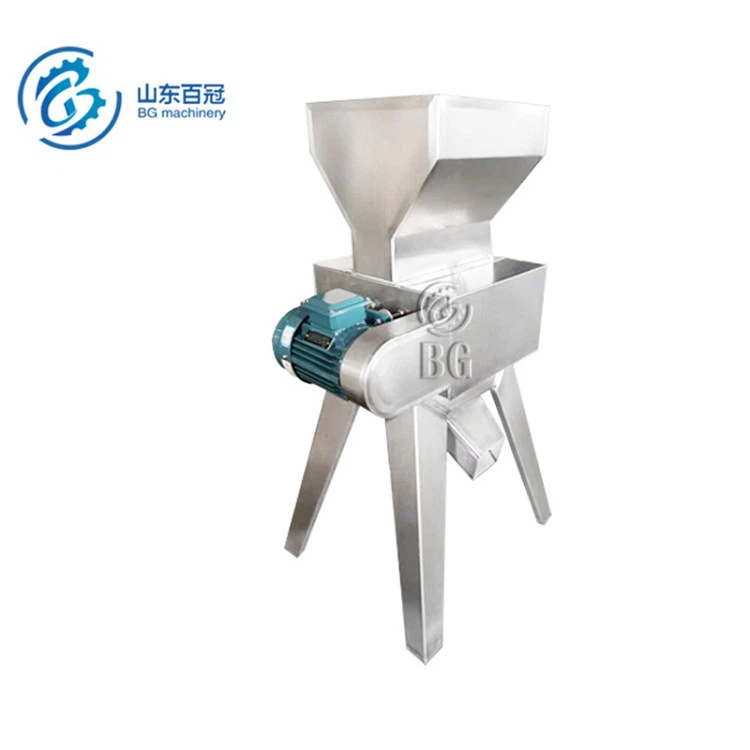
2. Dust Collection Systems
Installing an efficient dust collection system is crucial for preventing malt dust from spreading into the surrounding environment. There are several types of dust collection systems available, and the choice depends on the scale of the operation and the specific requirements of the Malt Milling Machine.
Baghouse Filters
Baghouse filters are a common type of dust collection system. They work by passing the dusty air through a series of fabric bags. The dust particles are trapped on the surface of the bags, while the clean air passes through and is released. These filters are highly effective in capturing fine malt dust particles. Regular maintenance, such as bag replacement and cleaning, is necessary to ensure their optimal performance.
Cyclone Separators
Cyclone separators are another option. They use centrifugal force to separate the dust from the air. The dusty air is introduced into the cyclone at a high speed, causing the dust particles to be thrown to the outer walls of the cyclone and collected at the bottom. Cyclone separators are relatively simple and cost - effective, but they may not be as efficient as baghouse filters in capturing very fine dust.
Combination Systems
In some cases, a combination of baghouse filters and cyclone separators can be used. The cyclone separator can first remove the larger dust particles, and then the baghouse filter can capture the remaining fine dust. This combination can provide a more comprehensive dust collection solution.
3. Ventilation and Airflow Control
Proper ventilation and airflow control play a vital role in preventing malt dust from spreading. The ventilation system should be designed to create a negative pressure inside the machine enclosure or the milling area. This negative pressure ensures that any dust that may escape from the machine is drawn into the dust collection system rather than spreading into the surrounding environment.
The ventilation system should have appropriate air intake and exhaust points. The air intake should be located in a clean area to ensure that the incoming air is free of contaminants. The exhaust should be connected to the dust collection system to remove the dust - laden air.
Airflow control can also be achieved through the use of baffles and ducts. Baffles can be installed inside the enclosure to direct the airflow in a specific direction, helping to keep the dust concentrated in areas where it can be easily collected. Ducts should be properly sized and designed to ensure smooth airflow and prevent dust accumulation.
4. Operator Training
Well - trained operators are essential for preventing malt dust spread. Operators should be educated about the health risks associated with malt dust exposure, such as respiratory problems and allergies. They should also be trained on the proper operation and maintenance of the Malt Milling Machine and the dust prevention equipment.
Operators should be instructed on how to start and stop the machine correctly to minimize dust generation. For example, they should ensure that the dust collection system is running before starting the milling machine and that it continues to run for a short period after the machine is stopped to collect any remaining dust.
In addition, operators should be trained on how to perform regular inspections of the machine and the dust prevention equipment. They should be able to identify any signs of damage or malfunction, such as leaks in the enclosure or clogged filters, and take appropriate action in a timely manner.
5. Regular Maintenance
Regular maintenance of the Malt Milling Machine and the dust prevention equipment is crucial for ensuring their long - term effectiveness. The machine should be inspected regularly for any signs of wear and tear, such as loose parts or damaged seals. These issues should be repaired immediately to prevent dust leakage.
The dust collection system also requires regular maintenance. Filters should be cleaned or replaced according to the manufacturer's recommendations. The ducts and pipes of the ventilation system should be checked for blockages and leaks. Any accumulated dust in the collection bins should be removed regularly to prevent overflow.
6. Use of Auxiliary Equipment
In addition to the above measures, the use of some auxiliary equipment can also help prevent malt dust spread. For example, Chiller / Refrigerator for Brewery can be used to control the temperature and humidity in the milling area. A stable temperature and humidity environment can reduce the generation of static electricity, which can cause dust to stick to surfaces and spread more easily.
The Yeast Expansion System Brewery can also play an indirect role. By ensuring the proper fermentation process, it can reduce the overall workload on the Malt Milling Machine, potentially reducing dust generation.
Conclusion
Preventing malt dust from spreading during the operation of a Malt Milling Machine is a multi - faceted task that requires a combination of proper machine design, effective dust collection systems, ventilation control, operator training, and regular maintenance. As a Malt Milling Machine supplier, we are committed to providing our customers with high - quality machines and comprehensive solutions to address the issue of malt dust spread.
If you are interested in our Malt Milling Machines or need more information about preventing malt dust spread, please feel free to contact us for procurement and further discussions. We are here to help you create a safe and efficient brewing environment.
References
- "Industrial Dust Collection Handbook" by John Doe
- "Brewing Equipment Maintenance Guide" by Jane Smith
- "Health and Safety in the Brewing Industry" published by the National Brewing Association