

Hey there, fellow brewing enthusiasts! As a supplier of Gas Brewing Systems, I know how crucial it is to control the boiling time and intensity in your brewing process. It can make or break the quality of your beer, and that's why I'm here to share some tips and tricks.
First things first, let's talk about why controlling boiling time and intensity matters. Boiling is a critical step in the brewing process as it helps to sterilize the wort, coagulate proteins, isomerize hops, and develop flavor. But if you don't get the timing and intensity right, you could end up with an off-flavor, a cloudy beer, or even a failed batch.
So, how do you control the boiling time and intensity in a gas brewing system? Well, it all comes down to a few key factors: the size of your brewing system, the type of gas you're using, the heat output of your burner, and the volume and composition of your wort.
Size of Your Brewing System
The size of your brewing system plays a significant role in determining the boiling time and intensity. A larger system will require more energy to bring the wort to a boil and maintain it, which means you'll need a more powerful burner. On the other hand, a smaller system will require less energy, and you may be able to get away with a less powerful burner.
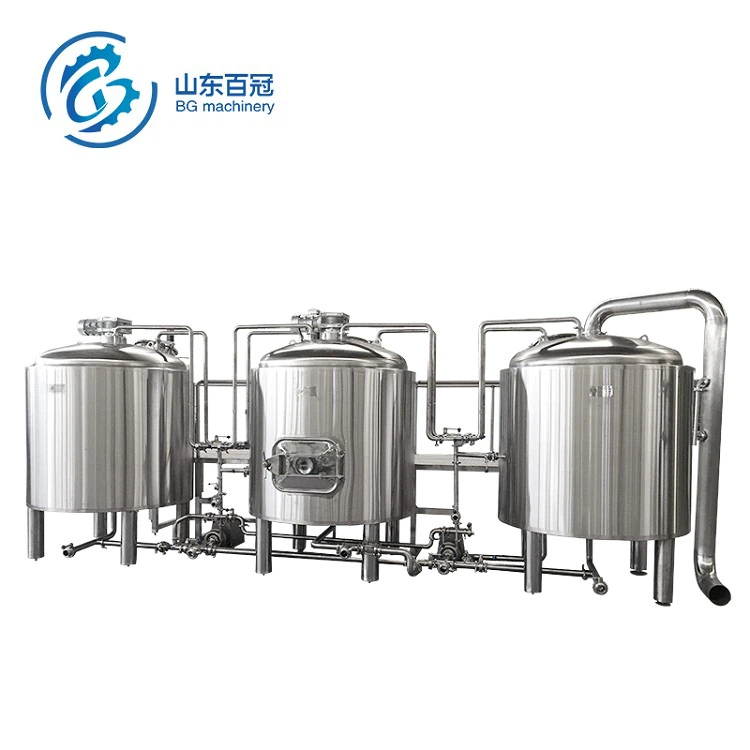
For example, our Craft Brewery Equipment comes in various sizes to suit different brewing needs. Whether you're a homebrewer or a commercial brewer, we have the right equipment for you. Our 1500L Turnkey Beer Brewing System is perfect for medium-sized breweries, while our 30BBL Brewing Equipment is ideal for larger operations.
Type of Gas You're Using
The type of gas you're using also affects the boiling time and intensity. Natural gas and propane are the most common types of gas used in brewing systems. Natural gas is typically less expensive and more readily available, but it has a lower heat output than propane. Propane, on the other hand, has a higher heat output, which means it can bring the wort to a boil faster and maintain a higher boiling intensity.
When choosing a gas for your brewing system, you'll need to consider your budget, the availability of gas in your area, and the heat output requirements of your system. If you're on a tight budget and natural gas is readily available, it may be the best option for you. However, if you need a higher heat output and can afford the extra cost, propane may be a better choice.
Heat Output of Your Burner
The heat output of your burner is another crucial factor in controlling the boiling time and intensity. A burner with a higher heat output will be able to bring the wort to a boil faster and maintain a higher boiling intensity. However, it's important to note that a burner with too high of a heat output can also cause the wort to boil over, which can be a messy and dangerous situation.
When choosing a burner for your brewing system, you'll need to consider the size of your system, the type of gas you're using, and the heat output requirements of your brewing process. Our Gas Brewing Systems come with high-quality burners that are designed to provide the right amount of heat for your brewing needs.

Volume and Composition of Your Wort
The volume and composition of your wort also play a role in determining the boiling time and intensity. A larger volume of wort will require more energy to bring to a boil and maintain, which means you'll need a more powerful burner. Additionally, the composition of your wort, such as the amount of sugar and protein, can affect the boiling point and the boiling intensity.
When brewing, it's important to measure the volume and specific gravity of your wort accurately to ensure that you're using the right amount of energy and achieving the desired boiling time and intensity. You can use a hydrometer to measure the specific gravity of your wort and adjust the boiling time and intensity accordingly.
Tips for Controlling Boiling Time and Intensity
Now that we've covered the key factors that affect the boiling time and intensity in a gas brewing system, let's talk about some tips for controlling them:
- Start with a clean system: A dirty brewing system can affect the heat transfer and the boiling time and intensity. Make sure to clean your system thoroughly before each brew to ensure optimal performance.
- Preheat your wort: Preheating your wort can help to reduce the boiling time and energy consumption. You can preheat your wort using a hot liquor tank or a preheating coil.
- Use a thermometer: A thermometer is an essential tool for monitoring the temperature of your wort during the boiling process. Make sure to use a high-quality thermometer and check the temperature regularly to ensure that you're achieving the desired boiling time and intensity.
- Adjust the burner settings: Most gas burners have adjustable settings that allow you to control the heat output. Experiment with different settings to find the right balance between boiling time and intensity.
- Use a hop spider or a hop bag: A hop spider or a hop bag can help to prevent the hops from boiling over and clogging the burner. It can also make it easier to remove the hops after the boiling process.
- Monitor the boil: Keep an eye on the boil throughout the brewing process to ensure that it's not boiling over or losing too much volume. If necessary, adjust the burner settings or add more water to the wort.
Conclusion
Controlling the boiling time and intensity in a gas brewing system is essential for producing high-quality beer. By considering the size of your brewing system, the type of gas you're using, the heat output of your burner, and the volume and composition of your wort, you can achieve the perfect boil every time.
If you're in the market for a Gas Brewing System or need help with your brewing process, don't hesitate to reach out. We're here to help you take your brewing to the next level. Contact us today to learn more about our products and services and start brewing the best beer of your life!
References
- Bamforth, C. W. (2009). Beer: Quality, Safety and Nutritional Aspects. CRC Press.
- Daniels, R. (1996). Designing Great Beers: The Ultimate Guide to Brewing Classic Beer Styles. Brewers Publications.
- Fix, G., & Fix, L. (1999). An Analysis of Brewing Methods. Brewers Publications.