

Yo, fellow beer enthusiasts! I'm stoked to be here sharing some tips on how to adjust the flavor profile of beer brewed by a 7BBL Brewing System. As a supplier of these bad boys, I've seen firsthand how different brewing techniques can lead to some seriously unique and delicious brews. So, let's dive right in!
Understanding the Basics of Beer Flavor
Before we start tweaking the flavor of our beer, it's important to understand the basic components that make up its taste. Beer flavor is primarily influenced by four main factors: malt, hops, yeast, and water.
- Malt: Malt provides the beer with its sweetness, body, and color. Different types of malt, such as pale malt, caramel malt, and roasted malt, can add distinct flavors and aromas to the beer.
- Hops: Hops are responsible for the bitterness, flavor, and aroma of the beer. They can range from floral and citrusy to earthy and spicy, depending on the variety used.
- Yeast: Yeast is the microorganism that ferments the sugars in the wort into alcohol and carbon dioxide. Different strains of yeast can produce different flavors and aromas, such as fruity, spicy, or clean and crisp.
- Water: Water is often overlooked, but it plays a crucial role in the flavor of the beer. The mineral content of the water can affect the pH of the wort, which in turn can impact the flavor and mouthfeel of the beer.
Adjusting the Malt Profile
One of the easiest ways to adjust the flavor profile of your beer is by changing the malt bill. Here are some tips on how to do it:
- Add more caramel malt: Caramel malt adds sweetness, body, and a rich, toasty flavor to the beer. It's a great way to add depth and complexity to lighter styles of beer, such as pale ales and pilsners.
- Use roasted malt: Roasted malt adds a bitter, chocolatey, or coffee-like flavor to the beer. It's commonly used in darker styles of beer, such as stouts and porters.
- Experiment with different types of malt: There are many different types of malt available, each with its own unique flavor and aroma. Try using a combination of different malts to create a complex and interesting flavor profile.
Adjusting the Hop Profile
Hops are another important factor in the flavor of the beer. Here are some ways to adjust the hop profile:
- Change the hop variety: Different hop varieties have different flavors and aromas. For example, Cascade hops are known for their citrusy and floral notes, while Centennial hops have a more spicy and piney flavor. Experiment with different hop varieties to find the ones that you like best.
- Adjust the hop addition time: The timing of the hop addition can also affect the flavor of the beer. Adding hops early in the boil will result in a more bitter beer, while adding hops late in the boil or during fermentation will result in a more flavorful and aromatic beer.
- Dry hop: Dry hopping is the process of adding hops to the beer after fermentation. This can add a lot of flavor and aroma to the beer without adding much bitterness.
Adjusting the Yeast Profile
Yeast is responsible for the fermentation process, which can have a big impact on the flavor of the beer. Here are some ways to adjust the yeast profile:

- Use a different yeast strain: Different yeast strains can produce different flavors and aromas. For example, Belgian yeast strains are known for their fruity and spicy flavors, while German yeast strains are known for their clean and crisp flavors. Experiment with different yeast strains to find the ones that you like best.
- Control the fermentation temperature: The fermentation temperature can also affect the flavor of the beer. Different yeast strains have different optimal fermentation temperatures, so it's important to follow the manufacturer's recommendations. Fermenting at a lower temperature will result in a cleaner and more crisp beer, while fermenting at a higher temperature will result in a more fruity and estery beer.
- Pitch the right amount of yeast: Pitching the right amount of yeast is important for a healthy fermentation. If you pitch too little yeast, the fermentation may be slow or incomplete, which can result in off-flavors. If you pitch too much yeast, the fermentation may be too fast, which can also result in off-flavors.
Adjusting the Water Profile
Water is often overlooked, but it plays a crucial role in the flavor of the beer. Here are some ways to adjust the water profile:
- Use a water treatment system: If your water has a high mineral content or other impurities, it can affect the flavor of the beer. Using a water treatment system, such as a reverse osmosis system or a water softener, can help remove these impurities and improve the quality of your water.
- Add minerals to the water: Different styles of beer require different mineral profiles in the water. For example, pale ales and pilsners typically require a lower mineral content, while stouts and porters typically require a higher mineral content. You can add minerals to the water using brewing salts or other additives.
- Adjust the pH of the water: The pH of the water can affect the flavor and mouthfeel of the beer. Most styles of beer require a pH between 5.2 and 5.6. You can adjust the pH of the water using brewing acids or other additives.
Using a 7BBL Brewing System to Adjust the Flavor Profile
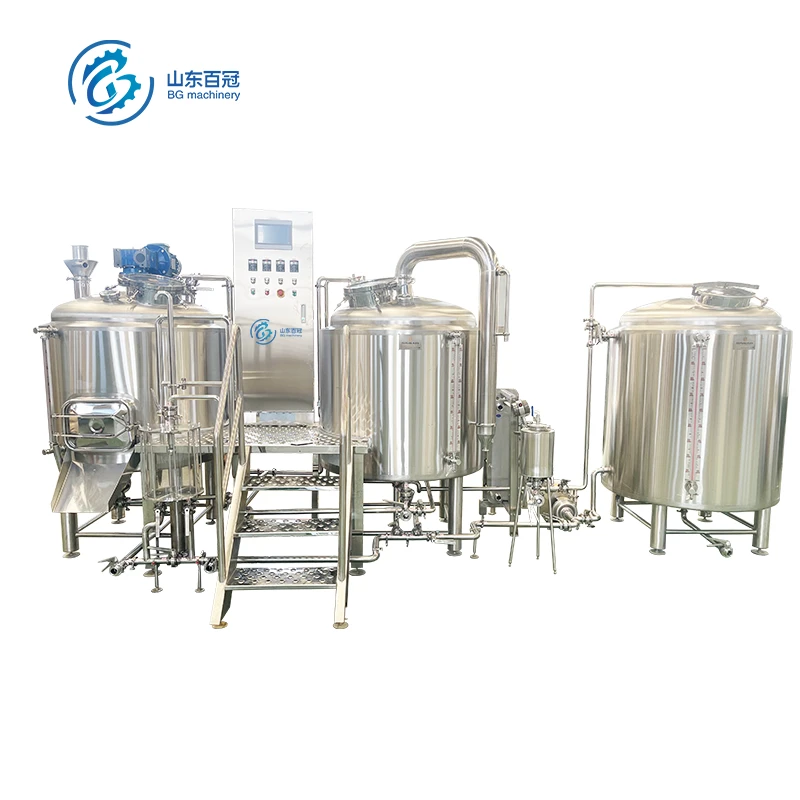
Now that we've covered the basics of beer flavor and how to adjust it, let's talk about how to use a 7BBL Brewing System to achieve the desired flavor profile.
- Control the brewing process: A 7BBL Brewing System allows you to have more control over the brewing process, which can help you achieve the desired flavor profile. You can control the temperature, time, and other variables during the brewing process to ensure that the beer is brewed to your specifications.
- Experiment with different recipes: A 7BBL Brewing System gives you the flexibility to experiment with different recipes and brewing techniques. You can try different combinations of malt, hops, yeast, and water to create unique and delicious brews.
- Scale up your production: If you're happy with the flavor profile of your beer, you can use a 7BBL Brewing System to scale up your production. This allows you to produce more beer without sacrificing quality.
Conclusion
Adjusting the flavor profile of beer brewed by a 7BBL Brewing System is a fun and rewarding process. By understanding the basic components of beer flavor and how to adjust them, you can create unique and delicious brews that your customers will love. So, get out there and start experimenting!
If you're interested in purchasing a 7BBL Brewing System or any other brewing equipment, click here to learn more about our Gas Brewing System or our 500L 5HL Beer Brewhouse. And of course, don't forget to check out our 7BBL Brewing System. We'd love to help you take your brewing to the next level!
References
- Daniels, R. (1996). Designing Great Beers: The Ultimate Guide to Brewing Classic Beer Styles. Brewers Publications.
- Fix, G., & Fix, L. (1999). An Analysis of Brewing Techniques. Brewers Publications.
- Palmer, J. (2006). How to Brew: Everything You Need to Know to Brew Great Beer Every Time. Brewers Publications.