

How often should a beer kegging machine be maintained? As a trusted supplier of beer kegging machines, I understand the pivotal role that regular maintenance plays in ensuring the longevity, efficiency, and optimal performance of these vital pieces of equipment. In this blog, I'll delve into the science behind determining maintenance intervals and provide practical guidelines to help you keep your beer kegging machine in top-notch condition.
Understanding the Importance of Maintenance
Before we discuss maintenance intervals, let's briefly touch on why maintenance is so crucial for beer kegging machines. Firstly, regular maintenance helps prevent breakdowns and costly repairs. A well-maintained machine is less likely to experience sudden malfunctions, which can disrupt your production schedule and lead to significant financial losses. Secondly, proper maintenance ensures the quality and consistency of your beer. Contaminants or inefficiencies in the kegging process can affect the taste, appearance, and shelf life of your product. By keeping your machine clean and well-tuned, you can deliver a superior product to your customers. Finally, regular maintenance extends the lifespan of your kegging machine, providing a better return on your investment.
Factors Affecting Maintenance Frequency
The frequency of maintenance for a beer kegging machine depends on several factors, including:
- Usage intensity: Machines that are used more frequently will naturally require more frequent maintenance. If your kegging machine operates continuously or for long periods each day, it will experience more wear and tear than one that is used sporadically.
- Beer type and ingredients: Different types of beer and ingredients can have varying effects on the machine. For example, beers with high levels of sediment or proteins may require more frequent cleaning to prevent clogging. Similarly, if you use certain additives or flavorings, they may need special attention to avoid contamination.
- Environmental conditions: The environment in which the kegging machine operates can also impact maintenance requirements. Machines located in areas with high humidity, dust, or temperature fluctuations may need more frequent maintenance to prevent corrosion, rust, and other environmental damage.
- Manufacturer's recommendations: Always refer to the manufacturer's guidelines and recommendations for maintenance intervals. These recommendations are based on extensive testing and experience and are tailored to the specific model and design of your kegging machine.
General Maintenance Guidelines
Based on these factors, here are some general guidelines for how often you should perform different types of maintenance on your beer kegging machine:
- Daily maintenance:
- Cleaning: After each use, thoroughly clean all parts of the machine that come into contact with beer, including the filling nozzles, hoses, and keg connectors. Use a food-grade cleaning solution and follow the manufacturer's instructions for proper cleaning procedures.
- Inspection: Check for any signs of leaks, damage, or blockages. Look for loose connections, worn gaskets, or abnormal noises. Address any issues immediately to prevent further damage.
- Weekly maintenance:
- Deep cleaning: In addition to daily cleaning, perform a more thorough cleaning of the machine on a weekly basis. This may involve disassembling certain parts for a more detailed cleaning, such as the keg filler valves or the carbonation system. Use appropriate cleaning agents and tools to remove any stubborn buildup or contaminants.
- Lubrication: Lubricate all moving parts, such as gears, bearings, and pistons, according to the manufacturer's recommendations. This helps reduce friction and wear, ensuring smooth operation of the machine.
- Calibration: Check and calibrate the machine's settings, such as filling volume, pressure, and temperature. This ensures accurate and consistent kegging results.
- Monthly maintenance:
- Comprehensive inspection: Conduct a more comprehensive inspection of the entire machine, including the electrical components, plumbing, and control systems. Look for any signs of wear, damage, or malfunction. Test all functions and controls to ensure they are working properly.
- Filter replacement: Replace any filters in the machine, such as the air filters or the beer filters. Filters help remove impurities and contaminants from the beer and air, and regular replacement is essential for maintaining product quality.
- Quarterly and annual maintenance:
- Professional servicing: Schedule a professional service technician to perform a more in-depth maintenance and inspection of the machine at least once a quarter or annually, depending on the usage intensity. A professional technician has the expertise and tools to identify and address any potential issues before they become major problems.
- Component replacement: Over time, certain components of the kegging machine may wear out and need to be replaced. This may include seals, gaskets, valves, or pumps. Follow the manufacturer's recommendations for component replacement intervals to ensure the continued performance of the machine.
The Role of Quality Components
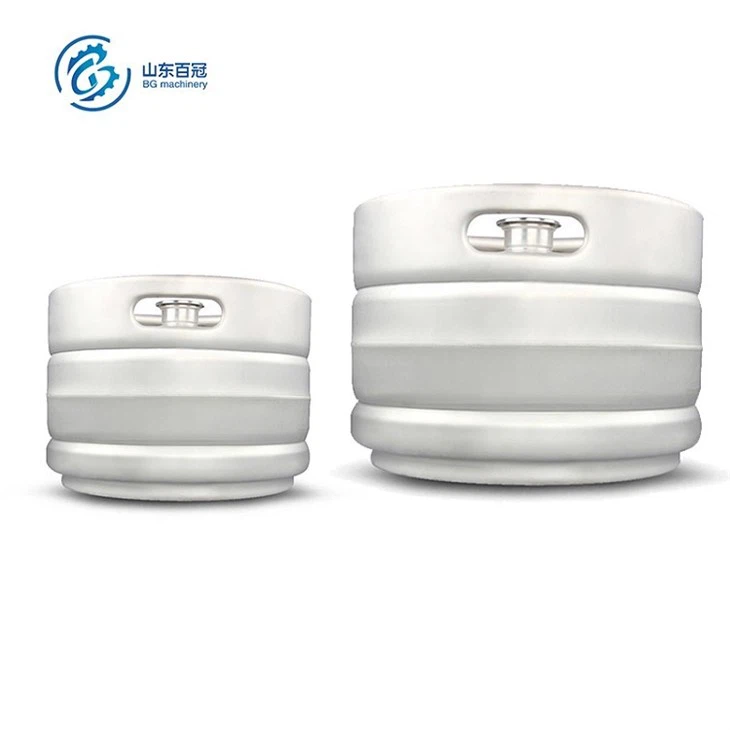
Using high-quality components in your beer kegging machine is essential for reducing maintenance requirements and ensuring long-term reliability. For example, Stainless Steel Beer Keg and Stainless Steel Beer Keg are durable and resistant to corrosion, making them ideal for storing and dispensing beer. Similarly, a high-quality Beer Keg Filler with precision engineering and reliable components will require less maintenance and provide more consistent results.

Preventative Maintenance Strategies
In addition to following a regular maintenance schedule, there are several preventative maintenance strategies you can implement to keep your beer kegging machine in optimal condition:
- Training and education: Ensure that your staff is properly trained on how to operate and maintain the kegging machine. Provide regular training sessions and refresher courses to keep them up-to-date on the latest best practices and safety procedures.
- Documentation and record-keeping: Keep detailed records of all maintenance activities, including cleaning schedules, inspections, repairs, and component replacements. This helps you track the history of the machine and identify any recurring issues or trends.
- Spare parts inventory: Maintain an inventory of essential spare parts for your kegging machine. This ensures that you have the necessary parts on hand when needed, minimizing downtime in the event of a breakdown.
- Regular monitoring and data analysis: Use monitoring tools and data analysis to track the performance of your kegging machine. This can help you identify any potential issues early on and take proactive measures to prevent them from becoming major problems.
Conclusion
In conclusion, the frequency of maintenance for a beer kegging machine depends on several factors, including usage intensity, beer type, environmental conditions, and manufacturer's recommendations. By following a regular maintenance schedule and implementing preventative maintenance strategies, you can ensure the longevity, efficiency, and optimal performance of your kegging machine. Remember, proper maintenance is not only essential for the smooth operation of your business but also for the quality and consistency of your beer.
If you're considering purchasing a new beer kegging machine or need advice on maintenance and servicing, please [contact us]. Our team of experts is here to help you find the right solution for your needs and ensure that your kegging machine operates at its best.
References
- Manufacturer's manuals and guidelines for beer kegging machines
- Industry best practices and standards for beer kegging and maintenance
- Technical publications and research on beer production and equipment maintenance