

In the ever - evolving landscape of the beverage industry, the demand for diverse and innovative non - alcoholic beverages has witnessed a significant upsurge. As a leading Malt Milling Machine supplier, I often encounter inquiries about the versatility of our machines, specifically whether they can be used for milling malt for non - alcoholic beverages. In this blog post, I will delve into the technical aspects, benefits, and considerations related to using a Malt Milling Machine for non - alcoholic beverage production.
Technical Feasibility of Using Malt Milling Machines for Non - Alcoholic Beverages
The core function of a malt milling machine is to break down malted grains into a suitable form for further processing. Malt, which is germinated and then dried cereal grains (usually barley), contains enzymes that are crucial for the conversion of starches into fermentable sugars. In the context of non - alcoholic beverages, these enzymes can still play a vital role, even without the subsequent fermentation step to produce alcohol.
Most malt milling machines are designed with adjustable rollers or cutters that can control the particle size of the milled malt. This adjustability is essential because different non - alcoholic beverages may require different malt particle sizes. For example, in the production of malt - based energy drinks or malted milkshakes, a finer grind may be preferred to ensure better solubility and a smoother texture. On the other hand, some malt - flavored teas or cold - brewed beverages might benefit from a coarser grind, which can release flavors more gradually during the brewing process.
The mechanical action of the malt milling machine also helps to expose the inner contents of the malt grains, making the enzymes more accessible. These enzymes can contribute to the flavor, color, and nutritional value of non - alcoholic beverages. For instance, the amylase enzymes in malt can break down starches into simple sugars, adding a natural sweetness to the beverage.
Benefits of Using Malt in Non - Alcoholic Beverages
Flavor Enhancement
Malt imparts a rich, complex flavor profile to non - alcoholic beverages. It has notes of caramel, toffee, and nutty undertones, which can add depth and character to drinks. For example, a malt - flavored coffee or a malt - infused smoothie can have a more robust and satisfying taste compared to their non - malted counterparts. The unique flavor of malt can also differentiate a product in a crowded market, appealing to consumers who are looking for new and interesting taste experiences.
Nutritional Value
Malt is a good source of vitamins, minerals, and dietary fiber. It contains B - vitamins such as thiamine, riboflavin, and niacin, which are essential for energy metabolism. Additionally, malt has a certain amount of iron, magnesium, and phosphorus. By using malt in non - alcoholic beverages, manufacturers can offer a more nutritious option to consumers. For example, malt - based breakfast drinks can provide a quick energy boost along with essential nutrients to start the day.
Natural Sweetening
As mentioned earlier, the enzymes in malt can break down starches into sugars. This natural sweetening process can reduce the need for added sugars in non - alcoholic beverages. With the growing concern about the health risks associated with excessive sugar consumption, using malt as a natural sweetener can be an attractive option for both manufacturers and health - conscious consumers.
Considerations for Using Malt Milling Machines in Non - Alcoholic Beverage Production
Hygiene and Sanitation
When using a malt milling machine for non - alcoholic beverage production, strict hygiene and sanitation standards must be maintained. Since non - alcoholic beverages are often consumed without the benefit of the antimicrobial effects of alcohol, any contamination during the milling process can lead to spoilage or the growth of harmful microorganisms. Regular cleaning and disinfection of the malt milling machine are essential to ensure the safety and quality of the final product.

Compatibility with Other Ingredients
Non - alcoholic beverages typically contain a variety of ingredients, such as fruits, herbs, and spices. It is important to consider the compatibility of malt with these other ingredients. For example, some flavors may clash with the taste of malt, while others can complement it. Manufacturers need to conduct thorough taste tests and recipe development to create a harmonious blend of flavors in their non - alcoholic beverages.
Regulatory Compliance
The use of malt in non - alcoholic beverages may be subject to certain regulations, depending on the country or region. Some regulations may govern the labeling of malt - containing products, the maximum allowable levels of certain substances in the malt, or the production processes. As a Malt Milling Machine supplier, we can provide guidance on these regulatory aspects to ensure that our customers are in compliance with all relevant laws.
Case Studies: Successful Use of Malt in Non - Alcoholic Beverages
Malt - Based Energy Drinks
Several companies have successfully launched malt - based energy drinks. These drinks combine the natural energy - boosting properties of malt with other ingredients such as caffeine, vitamins, and electrolytes. The malt provides a unique flavor and a source of slow - releasing energy, making these drinks popular among athletes and people with active lifestyles. The malt milling machine plays a crucial role in ensuring that the malt is ground to the right consistency for optimal extraction of flavors and nutrients.
Malted Milkshakes
Malted milkshakes have been a classic treat for many years. The addition of milled malt gives these milkshakes a creamy, malty flavor that is highly appealing. By using a Malt Milling Machine, manufacturers can control the particle size of the malt to achieve the desired texture and flavor intensity in their milkshakes.
Complementary Equipment for Non - Alcoholic Beverage Production
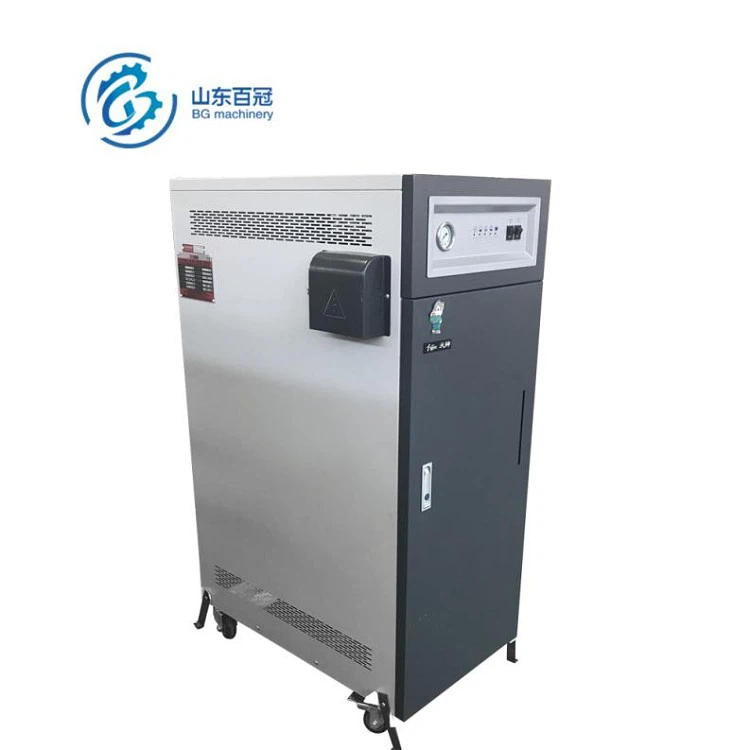
In addition to the malt milling machine, there are other pieces of equipment that can enhance the production of non - alcoholic beverages. For example, a Yeast Expansion System Brewery can be used to produce natural yeast cultures, which can be used in the fermentation of some non - alcoholic beverages to create unique flavors and textures. A Steam Generator For Brewhouse is also essential for heating and brewing processes, ensuring that the malt and other ingredients are properly extracted and processed.
Conclusion and Invitation to Contact
In conclusion, a malt milling machine can indeed be effectively used for milling malt for non - alcoholic beverages. It offers technical feasibility, numerous benefits in terms of flavor, nutrition, and natural sweetening, while also presenting some considerations that need to be addressed. As a leading supplier of malt milling machines, we have the expertise and experience to provide you with high - quality equipment and support for your non - alcoholic beverage production needs.
If you are interested in exploring the use of malt in your non - alcoholic beverage products or need more information about our Malt Milling Machine and other related equipment, we encourage you to contact us for a detailed discussion. Our team of experts is ready to assist you in finding the best solutions for your specific requirements and help you create innovative and successful non - alcoholic beverages.
References
- "Brewing Science and Practice" by Dennis E. Briggs, Peter A. Brookes, and R. Stevens.
- "The Chemistry of Malt and Malting" by E. A. H. Roberts.
- Industry reports on non - alcoholic beverage trends and production processes.