

What is the role of the manhole in a 40BBL conical fermenter?
As a supplier of 40BBL conical fermenters, I've encountered numerous inquiries about the various components of these essential brewing vessels. One such component that often raises questions is the manhole. In this blog post, I'll delve into the crucial role the manhole plays in a 40BBL conical fermenter and why it's an indispensable feature for any serious brewery.
Access for Cleaning and Maintenance
The primary function of the manhole in a 40BBL conical fermenter is to provide access for cleaning and maintenance. During the brewing process, the fermenter is exposed to a variety of residues, including yeast, hops, and other solids. Over time, these residues can accumulate on the interior surfaces of the tank, potentially affecting the quality of the beer and the efficiency of the fermentation process.
The manhole allows brewery staff to enter the fermenter and perform thorough cleaning and sanitation procedures. This involves using a combination of high-pressure water, cleaning agents, and scrubbing tools to remove any build-up and ensure that the tank is free from contaminants. Without a manhole, it would be extremely difficult, if not impossible, to access the hard-to-reach areas of the fermenter and achieve the level of cleanliness required for consistent beer quality.
In addition to regular cleaning, the manhole also provides access for maintenance and repair work. If a component of the fermenter, such as a temperature sensor or a valve, malfunctions, the manhole allows technicians to enter the tank and make the necessary repairs or replacements. This minimizes downtime and ensures that the brewery can continue to operate smoothly.
Sampling and Monitoring
Another important role of the manhole in a 40BBL conical fermenter is to facilitate sampling and monitoring of the fermentation process. Brewers need to regularly analyze the beer during fermentation to track its progress, ensure that the fermentation is proceeding as planned, and make any necessary adjustments to the process parameters.
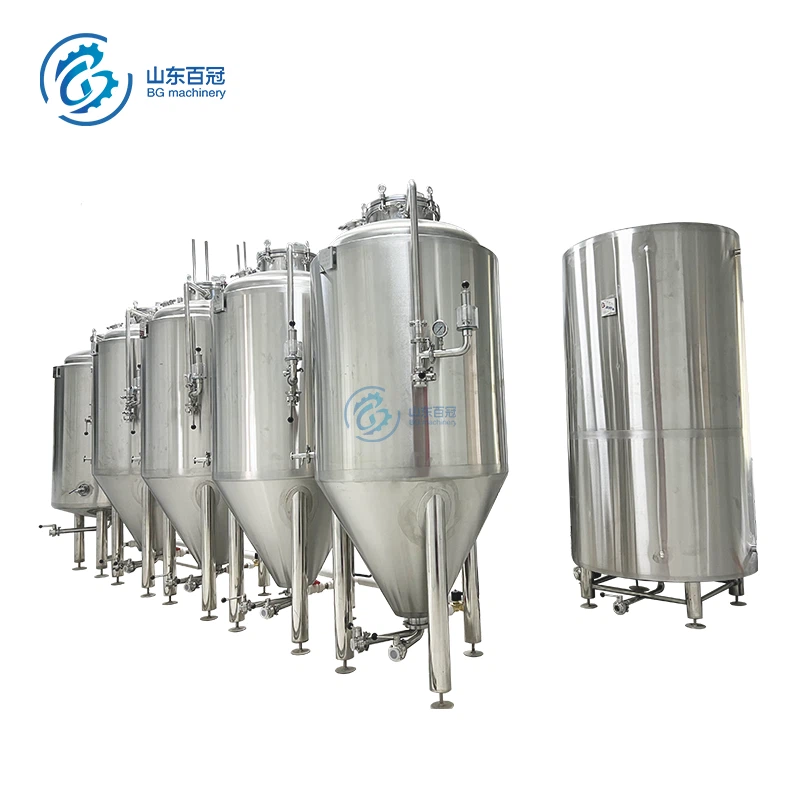

The manhole provides a convenient access point for taking samples of the beer at different stages of fermentation. Brewers can use a sample valve or a dip tube to collect a small quantity of beer for analysis. This allows them to measure important parameters such as gravity, pH, and temperature, as well as to check for the presence of any off-flavors or contaminants.
In addition to sampling, the manhole also provides a way for brewers to visually monitor the fermentation process. By looking through the manhole, brewers can observe the activity of the yeast, the formation of foam, and the clarity of the beer. This visual inspection can provide valuable insights into the fermentation process and help brewers make informed decisions about when to adjust the process parameters or when to transfer the beer to the next stage of production.
Safety and Emergency Access
The manhole in a 40BBL conical fermenter also plays a crucial role in safety and emergency access. In the event of an emergency, such as a fire, a leak, or a mechanical failure, the manhole provides a way for brewery staff to quickly enter and exit the fermenter. This can be essential for evacuating the area, shutting off equipment, or performing emergency repairs.
In addition to emergency access, the manhole also provides a way for brewery staff to safely enter the fermenter during normal operation. Before entering the fermenter, it's important to ensure that the tank is properly ventilated and that the oxygen levels are within safe limits. The manhole provides a way for staff to enter the tank slowly and carefully, allowing them to gradually adjust to the environment inside the tank and minimize the risk of oxygen deficiency or other hazards.
Design and Construction Considerations
When designing and constructing a 40BBL conical fermenter, there are several important considerations to keep in mind regarding the manhole. First and foremost, the manhole should be large enough to allow for easy access and movement inside the tank. A standard manhole size for a 40BBL conical fermenter is typically around 24 inches in diameter, although larger sizes may be required depending on the specific needs of the brewery.
In addition to size, the manhole should also be designed to provide a tight seal to prevent any leakage or contamination. This typically involves using a gasket or a sealant to create a watertight and airtight seal between the manhole cover and the tank body. The manhole cover should also be securely fastened to the tank to prevent it from accidentally opening during operation.
Another important consideration is the location of the manhole. The manhole should be located in a convenient and easily accessible location on the tank, typically near the top or the side. This allows for easy access during cleaning, maintenance, and sampling, as well as for emergency access in the event of an accident.
Conclusion
In conclusion, the manhole is a crucial component of a 40BBL conical fermenter. It provides access for cleaning and maintenance, facilitates sampling and monitoring of the fermentation process, and plays a vital role in safety and emergency access. When designing and constructing a 40BBL conical fermenter, it's important to carefully consider the size, design, and location of the manhole to ensure that it meets the specific needs of the brewery.
If you're in the market for a 40BBL conical fermenter or other brewing equipment, I encourage you to explore our range of products. We offer a wide variety of 20000L Beer Fermenters 200HL Unitank, 5HL 500L Beer Fermentation Unitank, and 1000L 2000L Beer Fermentation Tanks Unitanks that are designed to meet the needs of breweries of all sizes. Our team of experts is available to answer any questions you may have and to help you select the right equipment for your brewing operation.
References
- Brewing Engineering Handbook: A Comprehensive Guide to the Science and Practice of Brewing, Third Edition. Edited by George Fix and Greg Noonan.
- The Craft Brewing Handbook: A Complete Guide to Making Great Beer at Home or in a Microbrewery. By Randy Mosher.
- Brewing Technology: A Guide to Practice and Process for the Craft Brewer. By Justin Brusseau.