

Hey there, fellow beer enthusiasts and brewery owners! As a supplier of beer kegging machines, I'm super stoked to take you on a deep dive into how these nifty contraptions work. So, grab a cold one, sit back, and let's get into it.
The Basics of Beer Kegging
Before we jump into the nitty - gritty of how a beer kegging machine operates, let's quickly go over why kegging is such a big deal in the beer world. Kegging is a popular method for storing and dispensing beer. It's efficient, cost - effective, and helps keep the beer fresh for longer periods compared to other packaging options.
When you think about it, a keg is like a big, metal time - capsule for your favorite brews. And that's where our beer kegging machines come in. They're the unsung heroes that make sure your beer gets into those kegs in the best possible way.
The Key Components of a Beer Kegging Machine
First off, let's talk about the main parts of a beer kegging machine. These machines are usually made up of a few key components:
-
Keg Washer: This is the first stop for any keg that's about to be filled. The Beer Keg Washer does exactly what it sounds like. It cleans the inside of the keg to remove any dirt, debris, or leftover beer from previous use. A clean keg is crucial for maintaining the quality and taste of the new batch of beer. The washer typically uses a combination of water, cleaning agents, and sometimes steam to get the keg sparkling clean.

-
Filling Station: Once the keg is clean, it moves on to the filling station. This is where the magic happens. The filling station is connected to the beer storage tank. It uses a system of valves and pumps to control the flow of beer into the keg. The goal here is to fill the keg without introducing too much oxygen, which can spoil the beer and affect its taste.
-
Pressure Control System: Beer is a carbonated beverage, which means it has a certain amount of carbon dioxide dissolved in it. The pressure control system in the kegging machine is responsible for maintaining the right pressure inside the keg. This ensures that the beer retains its carbonation and fizz. If the pressure is too high, the beer might foam up and spill out. If it's too low, the beer will go flat.
-
Sealing Mechanism: After the keg is filled, it needs to be sealed properly to keep the beer fresh. The sealing mechanism on the kegging machine attaches the keg's lid or valve securely. This creates an airtight seal that prevents oxygen from getting in and carbon dioxide from getting out.
How the Process Works
Now that we know the main components, let's walk through the entire process of how a beer kegging machine works, step by step.
Step 1: Keg Preparation
The process starts with the keg being loaded onto the kegging machine. The keg is first inspected to make sure it's in good condition. Then, it's sent through the Beer Keg Washer. The washer sprays a cleaning solution into the keg and uses brushes or jets to scrub the inside walls. After that, it rinses the keg thoroughly with clean water to remove any traces of the cleaning agent.
Step 2: Filling the Keg
Once the keg is clean, it's moved to the filling station. The filling station has a probe or a tube that is inserted into the keg through the opening. The machine then starts to pump beer from the storage tank into the keg. To prevent oxygen from getting into the keg, the filling process is often done under a blanket of carbon dioxide. This displaces the air inside the keg and keeps the beer fresh.
The filling process is carefully controlled. The machine measures the volume of beer being dispensed to ensure that each keg is filled to the correct level. Some advanced kegging machines can even adjust the filling speed based on the type of beer and the size of the keg.
Step 3: Carbonation and Pressure Adjustment
As the beer is being filled, the pressure control system comes into play. The machine adds the right amount of carbon dioxide to the keg to achieve the desired level of carbonation. This is usually based on the style of beer. For example, a pilsner might require a higher level of carbonation than a stout.
The pressure inside the keg is constantly monitored and adjusted. The machine uses sensors to detect the pressure and makes sure it stays within the optimal range. This helps to preserve the beer's flavor and texture.
Step 4: Sealing the Keg
Once the keg is filled and the carbonation is set, it's time to seal it. The sealing mechanism on the kegging machine attaches the keg's lid or valve. This creates a tight seal that keeps the beer inside and prevents any outside air from getting in. The seal also helps to maintain the pressure inside the keg, which is essential for keeping the beer carbonated.
Step 5: Quality Control
After the keg is sealed, it goes through a final quality control check. The machine might use sensors to detect any leaks or to ensure that the pressure inside the keg is correct. If a keg fails the quality control check, it's removed from the production line and sent back for further inspection or re - processing.
Types of Beer Kegging Machines
There are different types of beer kegging machines available, depending on the size and needs of your brewery.
-
Manual Kegging Machines: These are the simplest and most affordable option. They require some manual labor, such as moving the kegs between different stations and operating the valves. Manual kegging machines are great for small breweries or homebrewers who don't need to produce large volumes of beer.
-
Semi - Automatic Kegging Machines: These machines automate some of the processes, such as filling and pressure control. However, they still require some human intervention, like loading and unloading the kegs. Semi - automatic kegging machines are a good choice for medium - sized breweries that want to increase their production efficiency without investing in a fully automated system.
-
Fully Automatic Kegging Machines: These are the top - of - the - line machines. They can perform all the tasks, from keg cleaning to sealing, without any human intervention. Fully automatic kegging machines are ideal for large breweries that need to produce a high volume of beer quickly and efficiently.
Choosing the Right Keg
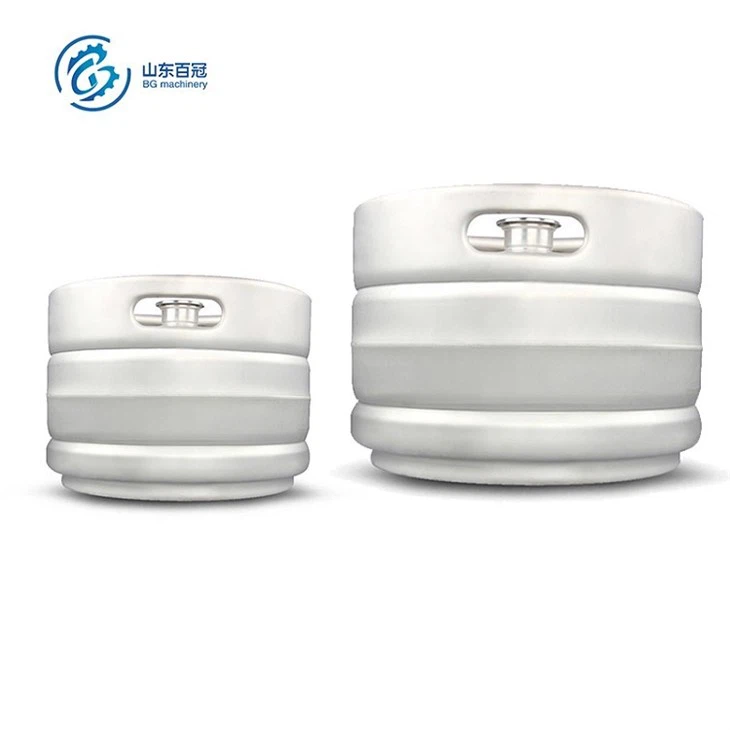
Of course, the type of keg you use also plays an important role in the kegging process. One of the most popular types of kegs is the Stainless Steel Beer Keg. Stainless steel kegs are durable, easy to clean, and resistant to corrosion. They also help to keep the beer fresh for longer periods.
When choosing a keg, you need to consider the size, shape, and capacity. Kegs come in different sizes, from small homebrew kegs to large commercial kegs. The size you choose will depend on your production volume and the needs of your customers.
Why Choose Our Beer Kegging Machines
As a supplier of beer kegging machines, we take pride in offering high - quality products. Our machines are built with the latest technology and are designed to be reliable, efficient, and easy to use. We understand the importance of producing high - quality beer, and our kegging machines are designed to help you do just that.
Our machines are also customizable. Whether you're a small homebrewer or a large commercial brewery, we can work with you to find the right kegging machine for your needs. We offer a range of options, from manual to fully automatic machines, and we can provide you with the support and training you need to get the most out of your machine.
Conclusion
So, there you have it! That's how a beer kegging machine works. It's a complex process that involves multiple steps and components, but it's essential for producing high - quality beer. Whether you're a brewery owner looking to upgrade your equipment or a homebrewer interested in kegging your own beer, a good kegging machine can make all the difference.
If you're interested in learning more about our beer kegging machines or have any questions about the kegging process, don't hesitate to get in touch. We're here to help you take your beer production to the next level.
References
- "Beer Packaging Technology" by John Hough
- "The Craft Beer Revolution" by Pete Brown