

Malt is the heart and soul of the brewing process, and the malt milling machine is the key equipment that unlocks its potential. As a leading supplier of Malt Milling Machine, I have witnessed firsthand how different malt varieties can significantly impact the performance of these machines.
The Basics of Malt Milling
Before delving into the influence of malt variety, it's essential to understand the basic principles of malt milling. The primary goal of malt milling is to break the malt kernels into smaller particles while maintaining the integrity of the husk. This process allows for efficient extraction of fermentable sugars, proteins, and other essential components during the mashing stage.
A malt milling machine typically consists of a pair of rollers that rotate in opposite directions. The malt is fed between the rollers, and the gap between them determines the degree of milling. The size and shape of the milled particles can have a profound impact on the subsequent brewing process, including mash efficiency, wort clarity, and beer flavor.

Physical Characteristics of Different Malt Varieties
Malt varieties can vary significantly in their physical characteristics, such as kernel size, hardness, and moisture content. These differences can have a direct impact on the performance of a malt milling machine.
- Kernel Size: Larger kernels may require a wider roller gap to ensure proper milling, while smaller kernels may need a narrower gap to prevent over - milling. If the roller gap is not adjusted correctly for the kernel size, it can lead to uneven milling, where some particles are too large and others are too small. This can result in reduced mash efficiency and inconsistent beer quality.
- Hardness: The hardness of malt kernels can vary depending on the barley variety, growing conditions, and malting process. Harder malt kernels require more force to crush, which can put additional stress on the malt milling machine. If the machine is not powerful enough to handle hard malt, it may lead to incomplete milling and poor extraction of fermentable sugars.
- Moisture Content: Moisture content affects the friability of the malt. Malt with higher moisture content is generally softer and easier to mill. However, if the moisture content is too high, it can cause the malt to stick to the rollers, leading to clogging and reduced milling efficiency. On the other hand, overly dry malt can be brittle and may produce excessive fines during milling, which can also cause problems in the brewing process.
Chemical Composition and Its Impact
The chemical composition of different malt varieties also plays a crucial role in the performance of a malt milling machine. Malt contains various components, including starch, proteins, enzymes, and polyphenols, which can influence the milling process and the subsequent brewing steps.
- Starch Content: Starch is the primary source of fermentable sugars in malt. Different malt varieties can have varying starch contents, and the structure of the starch granules can also differ. During milling, the starch granules need to be exposed to the enzymes in the malt for efficient conversion into sugars during mashing. If the malt milling machine does not break the kernels effectively, the starch granules may remain intact, resulting in lower sugar extraction and reduced fermentation efficiency.
- Protein Content: Proteins in malt contribute to the foam stability, mouthfeel, and clarity of the beer. However, excessive protein extraction can lead to haze formation and other quality issues. The milling process can affect the release of proteins from the malt. Some malt varieties with higher protein content may require more careful milling to control the amount of protein extracted. For example, a finer grind may release more proteins, while a coarser grind may limit protein extraction.
- Enzyme Activity: Malt contains enzymes such as amylase, which are responsible for breaking down starch into sugars. The activity of these enzymes can be influenced by the malt variety and the milling process. Over - milling or excessive heat generated during milling can denature the enzymes, reducing their activity and affecting the mashing process. Different malt varieties may have different optimal milling conditions to preserve enzyme activity.
Impact on Milling Efficiency
The efficiency of a malt milling machine is a critical factor in the brewing process. It refers to the ability of the machine to break the malt kernels into the desired particle size distribution with minimal energy consumption and waste. Malt variety can have a significant impact on milling efficiency.
- Throughput: The throughput of a malt milling machine, which is the amount of malt it can process per unit of time, can be affected by the physical and chemical properties of the malt. For example, hard and large - kerneled malt may require a slower feed rate to ensure proper milling, reducing the throughput of the machine. In contrast, softer and smaller - kerneled malt can be processed more quickly, increasing the throughput.
- Energy Consumption: Milling hard malt varieties requires more energy to crush the kernels. This can lead to higher operating costs for the brewery. A malt milling machine that is not optimized for the specific malt variety may consume more energy than necessary, resulting in inefficiencies. By choosing the right malt milling machine and adjusting the settings according to the malt variety, breweries can reduce energy consumption and improve overall cost - effectiveness.
- Particle Size Distribution: The desired particle size distribution for malt milling depends on the brewing process. Different malt varieties may require different milling parameters to achieve the optimal particle size distribution. For example, some brewing styles may require a coarser grind to promote better lautering, while others may benefit from a finer grind for increased sugar extraction. A malt milling machine that can be easily adjusted to accommodate different malt varieties and brewing requirements is essential for achieving consistent results.
Impact on Brewing Performance
The performance of a malt milling machine, as influenced by malt variety, ultimately affects the brewing process and the quality of the final beer.
- Mash Efficiency: Mash efficiency is a measure of how effectively the fermentable sugars are extracted from the malt during the mashing process. The milling process can significantly impact mash efficiency. If the malt is not milled properly due to the characteristics of the malt variety, the enzymes may not be able to access the starch granules effectively, resulting in lower sugar extraction and reduced mash efficiency.
- Wort Clarity: The particle size distribution of the milled malt can affect the clarity of the wort. Excessive fines produced during milling can cause problems during lautering, leading to a cloudy wort. Different malt varieties may require different milling techniques to minimize the production of fines and ensure a clear wort.
- Beer Flavor and Aroma: The chemical composition of the malt, which is influenced by the variety and the milling process, can have a direct impact on the flavor and aroma of the beer. For example, certain malt varieties may have unique flavor compounds that are released during milling and mashing. The way the malt is milled can affect the extraction of these flavor compounds, ultimately shaping the character of the beer.
Choosing the Right Malt Milling Machine for Different Malt Varieties
As a supplier of Malt Milling Machine, we understand the importance of providing machines that can handle a wide range of malt varieties. When choosing a malt milling machine, breweries should consider the following factors:
- Adjustability: A good malt milling machine should be easily adjustable to accommodate different malt varieties. It should allow for precise control of the roller gap, feed rate, and other parameters to ensure optimal milling performance.
- Power and Capacity: The machine should have sufficient power to handle the hardest malt varieties in the brewery's portfolio. It should also have an appropriate capacity to meet the production needs of the brewery.
- Quality and Durability: High - quality construction and durable components are essential for a malt milling machine. This ensures reliable operation and reduces the risk of breakdowns, especially when processing different malt varieties with varying physical and chemical properties.
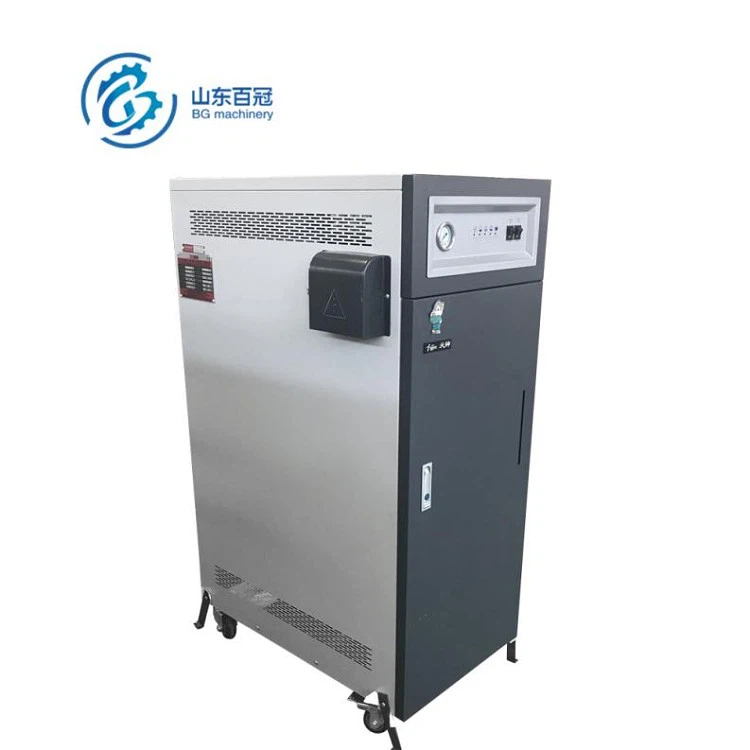
In addition to the malt milling machine, other brewery auxiliary equipment can also complement the brewing process. For example, a Steam Generator for Brewhouse provides the necessary heat for mashing and boiling, while a CIP Station Brewery helps maintain the cleanliness of the brewing equipment.
Conclusion
In conclusion, the variety of malt has a profound influence on the performance of a malt milling machine. From physical characteristics to chemical composition, every aspect of the malt can affect the milling process, brewing performance, and the quality of the final beer. As a supplier of malt milling machines, we are committed to providing our customers with equipment that can adapt to different malt varieties and meet their specific brewing needs.
If you are a brewery owner or operator looking for a reliable malt milling machine that can handle a wide range of malt varieties, we invite you to contact us for a detailed discussion. Our team of experts is ready to assist you in choosing the right equipment and optimizing your brewing process.
References
- Bamforth, C. W. (2003). Brewing: New Technologies. CRC Press.
- Briggs, D. E., Boulton, C. A., Brookes, P. A., & Stevens, R. (2004). Brewing Science and Practice. Woodhead Publishing.
- Narziss, L., & Back, W. (2009). Technology Brewing and Malting. VLB Berlin.