

When it comes to the world of beer kegging, there's a significant difference between commercial and home - use beer kegging machines. As a supplier in the beer kegging machine industry, I've witnessed firsthand the diverse needs of different customers, and understanding these disparities is crucial for anyone looking to invest in a kegging solution.
Design and Capacity
Commercial beer kegging machines are built with large - scale production in mind. They are designed to handle high volumes of beer kegging on a daily basis. These machines often have a modular design, allowing for easy expansion as the business grows. For example, a commercial brewery might start with a basic kegging setup but can add more filling heads or a larger conveyor system over time.
The capacity of commercial machines is measured in terms of the number of kegs they can fill per hour. High - end commercial beer kegging machines can fill hundreds or even thousands of kegs in a single shift. This is essential for meeting the demands of large - scale distributors, bars, and restaurants.
On the other hand, home - use beer kegging machines are designed for small - batch production. They are typically compact and easy to operate, fitting well in a home brewery or a small garage. The capacity of a home - use machine is usually limited to a few kegs at a time, often in the range of 1 - 5 kegs per session. This is more than sufficient for homebrewers who want to keg their own beer for personal consumption or small gatherings.
Automation and Technology
Commercial beer kegging machines are highly automated. They use advanced sensors and control systems to ensure accurate filling levels, proper carbonation, and efficient cleaning processes. For instance, many commercial machines can automatically detect the presence of a keg, open and close the filling valve at the right time, and adjust the carbon dioxide levels based on the type of beer being kegged.

These machines also come with features like self - cleaning cycles. The Beer Keg Washer is an integral part of the commercial setup. It can clean kegs thoroughly, removing any residual beer, yeast, or bacteria. Some commercial systems even have integrated quality control measures, such as checking for leaks or improper seals.
In contrast, home - use beer kegging machines are less automated. While they may have some basic features like a simple filling valve and a pressure gauge, they often require more manual intervention. Homebrewers need to be more hands - on with tasks such as measuring the carbonation levels and ensuring the kegs are properly cleaned. However, this also gives homebrewers more control over the process, allowing them to customize the kegging to their own preferences.
Cost
Cost is a major factor when comparing commercial and home - use beer kegging machines. Commercial machines are significantly more expensive. The price can range from several thousand dollars to tens of thousands of dollars, depending on the features, capacity, and brand. This is due to the high - end technology, large - scale manufacturing, and durability required for commercial use.
In addition to the initial purchase price, there are also ongoing costs associated with commercial machines. These include maintenance, replacement parts, and energy consumption. However, for a commercial brewery, the investment can be justified by the high production volume and potential profit.
Home - use beer kegging machines are much more affordable. They can be purchased for a few hundred dollars, making them accessible to hobbyist homebrewers. The lower cost also means that there is less risk involved for those who are just starting out in homebrewing.
Compatibility and Flexibility
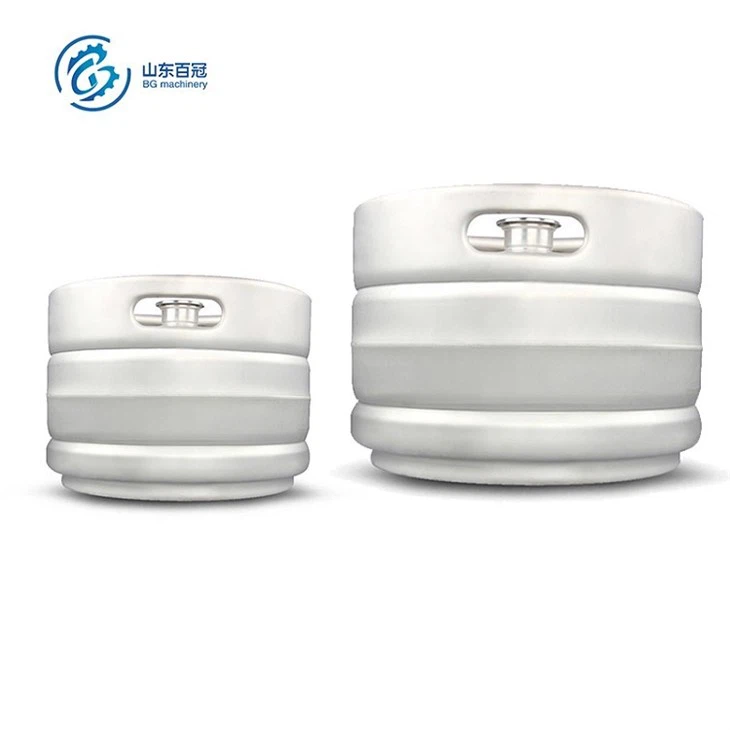
Commercial beer kegging machines are designed to be compatible with a wide range of keg sizes and types. They can handle standard stainless steel kegs, as well as different specialty kegs used in the industry. The Stainless Steel Beer Keg is a common choice for commercial breweries, and commercial machines are optimized to work with these kegs efficiently.
Moreover, commercial machines offer more flexibility in terms of the types of beer they can keg. They can handle different carbonation levels, from highly carbonated lagers to less fizzy ales. This allows breweries to produce a diverse range of products.
Home - use beer kegging machines, while also compatible with standard keg sizes, may have some limitations. They may not be able to handle very large or non - standard kegs. Additionally, they may be more suited for a specific range of carbonation levels, which can limit the types of beer that can be kegged.
Ease of Use and Maintenance
Commercial beer kegging machines, despite their complexity, are designed to be relatively easy to use for trained operators. However, they do require regular maintenance to keep them running smoothly. This includes cleaning the internal components, replacing worn - out parts, and calibrating the sensors. A breakdown in a commercial machine can be costly, as it can disrupt production and lead to lost revenue. Therefore, many commercial breweries have a dedicated maintenance team or contract with a professional service provider.
Home - use beer kegging machines are generally easier to maintain. Since they are less complex, homebrewers can often perform basic maintenance tasks themselves. Cleaning the machine after each use is usually a straightforward process, and replacement parts are often readily available and easy to install.
Quality and Consistency
When it comes to the quality and consistency of the kegged beer, commercial machines have an edge. The advanced technology and automation ensure that each keg is filled to the same level, with the same carbonation and flavor profile. This is essential for maintaining a consistent brand image and meeting customer expectations.
Commercial breweries also have the resources to conduct extensive quality control tests. For example, they can use laboratory equipment to analyze the chemical composition of the beer before and after kegging.
Home - use beer kegging machines can also produce high - quality beer, but there may be more variability. Since homebrewers have less precise control over the process, there may be slight differences in the carbonation levels or filling volumes from one keg to another. However, this can also add a certain charm to home - brewed beer.
Conclusion
In conclusion, the difference between commercial and home - use beer kegging machines is significant in terms of design, capacity, automation, cost, compatibility, ease of use, and quality. Commercial machines are built for large - scale production, offering high - end features and precision, while home - use machines are more suitable for small - batch homebrewing.
Whether you are a commercial brewery looking to expand your production or a homebrewer wanting to take your hobby to the next level, choosing the right beer kegging machine is crucial. If you are interested in learning more about our range of beer kegging machines, including the Automatic Beer Keg Washing and Filling Line, please don't hesitate to contact us for a detailed discussion on your specific needs and how we can provide the best solution for you.
References
- American Homebrewers Association. (Year). Homebrewing Guidelines and Best Practices.
- Brewers Association. (Year). Commercial Brewing Industry Report.
- Various Manufacturer's Manuals for Beer Kegging Machines.