

As a supplier of 25BBL brewing systems, I understand the importance of maintaining the cleanliness of brewing equipment. Proper cleaning not only ensures the quality and consistency of the beer but also extends the lifespan of the brewing system. In this blog post, I will discuss the cleaning frequency of a 25BBL brewing system and provide some insights into best practices for keeping your equipment in top condition.
Understanding the Basics of Brewing System Cleaning
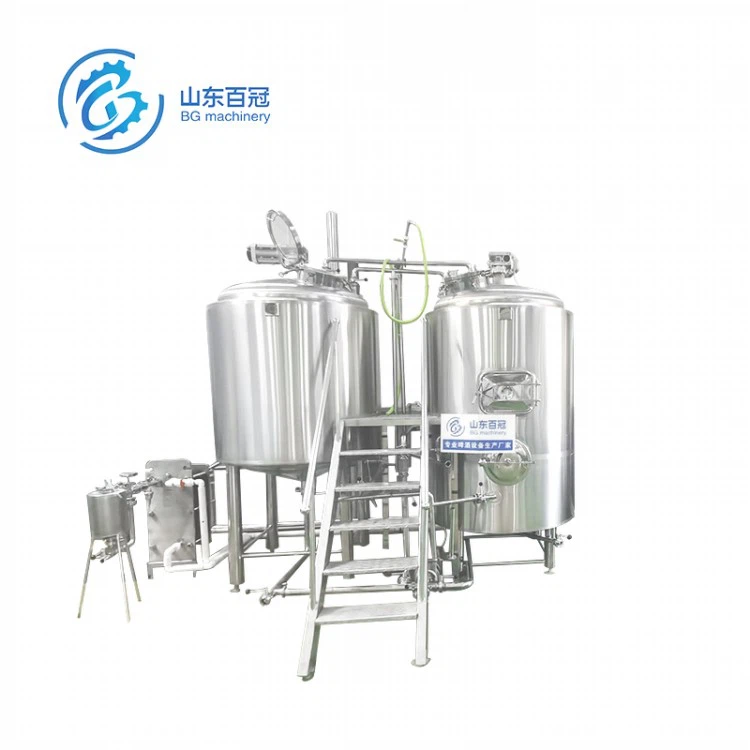
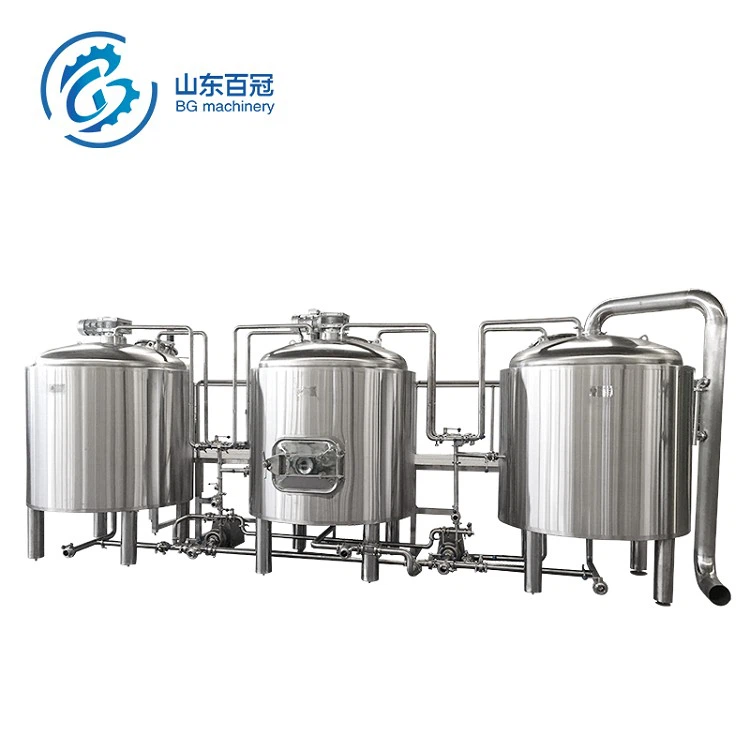
Before diving into the cleaning frequency, it's essential to understand the basic components of a 25BBL brewing system and why they need to be cleaned. A typical 25BBL brewing system consists of several key components, including a mash tun, lauter tun, boil kettle, whirlpool, fermenters, and bright tanks. Each of these components plays a crucial role in the brewing process, and any contamination or buildup can have a significant impact on the quality of the beer.
The main reasons for cleaning a brewing system are to remove organic and inorganic residues, prevent the growth of bacteria and other microorganisms, and maintain the efficiency of the equipment. Organic residues, such as hops, grains, and yeast, can accumulate in the brewing vessels and pipes over time, leading to off-flavors and aromas in the beer. Inorganic residues, such as minerals and scale, can also build up on the surfaces of the equipment, reducing heat transfer efficiency and increasing the risk of corrosion.
Cleaning Frequency Guidelines
The cleaning frequency of a 25BBL brewing system depends on several factors, including the type of beer being brewed, the brewing process, and the quality of the water used. However, as a general rule of thumb, the following cleaning frequencies are recommended:
Daily Cleaning
- Mash Tun and Lauter Tun: After each brew, the mash tun and lauter tun should be thoroughly cleaned to remove any remaining grains and debris. This can be done by rinsing the vessels with hot water and using a brush or scraper to remove any stubborn residues.
- Boil Kettle: The boil kettle should also be cleaned after each brew to remove any hop debris and other residues. A hot water rinse followed by a chemical cleaner can be used to ensure a thorough clean.
- Whirlpool: The whirlpool should be cleaned after each brew to remove any trub and other solids that have settled at the bottom. A hot water rinse and a gentle scrub with a brush can help to remove these residues.
Weekly Cleaning
- Fermenters and Bright Tanks: Fermenters and bright tanks should be cleaned and sanitized on a weekly basis to prevent the growth of bacteria and other microorganisms. This can be done by using a chemical cleaner and sanitizer, followed by a thorough rinse with hot water.
- Pipes and Hoses: The pipes and hoses used in the brewing system should also be cleaned on a weekly basis to remove any residues and prevent blockages. A hot water rinse followed by a chemical cleaner can be used to ensure a thorough clean.
Monthly Cleaning
- Heat Exchangers: Heat exchangers should be cleaned on a monthly basis to remove any scale and other deposits that can reduce heat transfer efficiency. This can be done by using a descaling solution and following the manufacturer's instructions.
- Filters: Filters used in the brewing system should be replaced or cleaned on a monthly basis to ensure optimal performance. This can help to prevent the buildup of debris and improve the clarity of the beer.
Quarterly Cleaning
- Entire Brewing System: A thorough cleaning of the entire brewing system should be carried out on a quarterly basis to ensure that all components are in good working condition. This can involve disassembling the equipment and cleaning each component individually, followed by a reassembly and sanitization.
Best Practices for Cleaning a 25BBL Brewing System
In addition to following the recommended cleaning frequencies, there are several best practices that can help to ensure a thorough and effective cleaning of a 25BBL brewing system:
- Use the Right Cleaning Agents: It's important to use the right cleaning agents for each component of the brewing system. Different types of residues require different cleaning agents, so it's essential to choose a cleaner that is specifically designed for the task. For example, alkaline cleaners are effective for removing organic residues, while acidic cleaners are better for removing inorganic residues.
- Follow the Manufacturer's Instructions: Always follow the manufacturer's instructions when using cleaning agents and equipment. This will help to ensure that the cleaning process is carried out safely and effectively, and that the equipment is not damaged.
- Maintain a Cleaning Schedule: Keeping a regular cleaning schedule is essential for maintaining the cleanliness of the brewing system. This can help to prevent the buildup of residues and ensure that the equipment is always in good working condition.
- Train Your Staff: Proper training of your staff on the cleaning procedures and best practices is crucial for ensuring a thorough and effective cleaning of the brewing system. Make sure that your staff understands the importance of cleaning and is familiar with the correct procedures for using cleaning agents and equipment.
Importance of Regular Cleaning
Regular cleaning of a 25BBL brewing system is essential for several reasons:
- Quality of the Beer: A clean brewing system helps to ensure the quality and consistency of the beer. By removing organic and inorganic residues and preventing the growth of bacteria and other microorganisms, the beer will have a cleaner and more consistent flavor and aroma.
- Equipment Lifespan: Regular cleaning can help to extend the lifespan of the brewing system. By preventing the buildup of scale and other deposits, the equipment will operate more efficiently and be less prone to corrosion and other damage.
- Compliance with Regulations: In many countries, there are strict regulations regarding the cleanliness of brewing equipment. Regular cleaning helps to ensure compliance with these regulations and avoid any potential legal issues.
Conclusion
In conclusion, the cleaning frequency of a 25BBL brewing system is an important factor in maintaining the quality and consistency of the beer and extending the lifespan of the equipment. By following the recommended cleaning frequencies and best practices, you can ensure that your brewing system is always in top condition and producing high-quality beer.
If you are in the market for a Stainless Steel Beer Brewing Equipment, a 4bbl 3-vessel Beer Brewhouse, or a 1500L Turnkey Beer Brewing System, we are here to help. Our team of experts can provide you with the right equipment and support to meet your brewing needs. Contact us today to start a discussion about your brewing requirements and explore how our products can enhance your brewing operations.
References
- American Society of Brewing Chemists (ASBC). (2023). Cleaning and Sanitization in Brewing.
- Brewers Association. (2023). Best Practices for Brewing System Cleaning.
- Institute of Brewing and Distilling (IBD). (2023). Guidelines for Brewing Equipment Maintenance and Cleaning.