

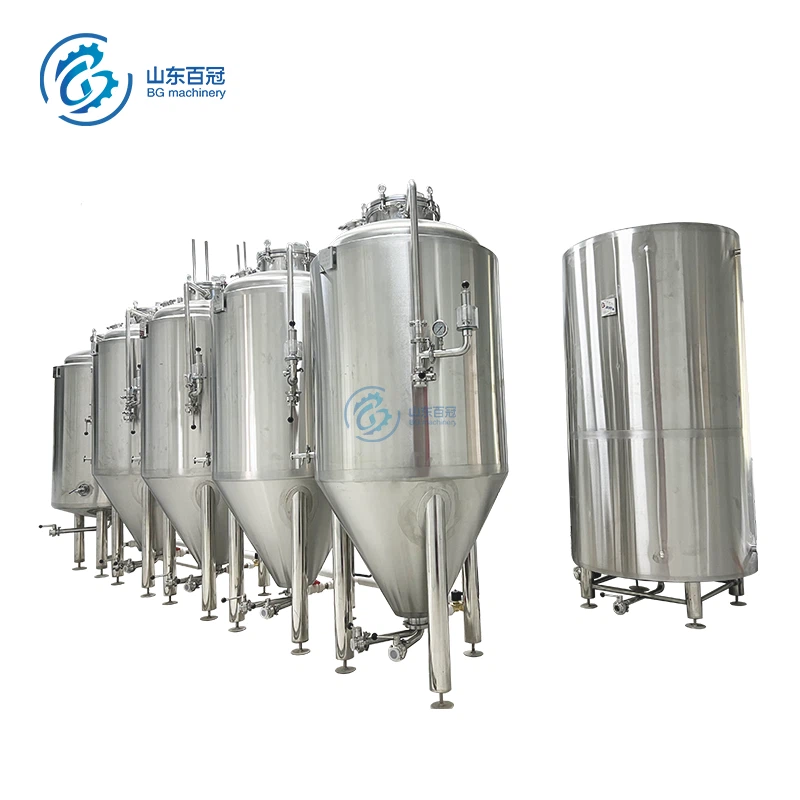
Calibrating sensors in a 2000L fermenter is a critical process that ensures accurate measurements and optimal fermentation conditions. As a trusted 2000L fermenter supplier, I understand the importance of sensor calibration in the fermentation industry. In this blog, I will share detailed steps and best practices on how to calibrate the sensors in a 2000L fermenter.

Understanding the Importance of Sensor Calibration
Before diving into the calibration process, it's essential to understand why sensor calibration is crucial. Sensors in a fermenter are responsible for monitoring various parameters such as temperature, pH, dissolved oxygen, and pressure. Accurate measurements are vital for maintaining the quality and consistency of the fermentation process. Incorrect sensor readings can lead to sub - optimal fermentation conditions, affecting the taste, aroma, and overall quality of the final product.
Types of Sensors in a 2000L Fermenter
A typical 2000L fermenter is equipped with several types of sensors:
Temperature Sensors
Temperature plays a crucial role in fermentation. Yeast activity is highly dependent on temperature, and different strains of yeast have optimal temperature ranges. Temperature sensors in a fermenter are usually thermocouples or resistance temperature detectors (RTDs).
pH Sensors
The pH level affects yeast metabolism and the growth of microorganisms in the fermenter. Maintaining the right pH is essential for a successful fermentation process. pH sensors are typically glass electrodes that measure the hydrogen ion concentration in the fermentation medium.
Dissolved Oxygen Sensors
Oxygen is necessary for yeast growth during the initial stages of fermentation. Dissolved oxygen sensors measure the amount of oxygen dissolved in the fermentation broth.
Pressure Sensors
Pressure sensors monitor the pressure inside the fermenter. This is important for safety reasons and to ensure that the fermenter operates within its designed pressure limits.
Pre - calibration Preparation
Before starting the calibration process, it's important to prepare the fermenter and the calibration equipment:
- Clean the Fermenter: Ensure that the fermenter is clean and free from any debris or contaminants. This will prevent interference with the sensor readings.
- Gather Calibration Equipment: You will need calibration solutions for pH sensors, reference temperature sources for temperature sensors, and calibration gases for dissolved oxygen sensors. For pressure sensors, a pressure calibrator is required.
- Check Sensor Condition: Inspect the sensors for any signs of damage or wear. Replace any damaged sensors before calibration.
Calibration Procedures
Temperature Sensor Calibration
- Select a Reference Temperature Source: Use a calibrated thermometer or a temperature bath with a known and stable temperature.
- Immerse the Sensor: Place the temperature sensor in the reference temperature source and allow it to reach thermal equilibrium. This may take several minutes.
- Compare Readings: Compare the reading on the fermenter's temperature display with the known temperature of the reference source.
- Adjust the Sensor: If there is a difference between the readings, adjust the sensor calibration settings according to the manufacturer's instructions.
pH Sensor Calibration
- Prepare Calibration Solutions: Use at least two buffer solutions with known pH values, typically pH 4.0 and pH 7.0.
- Rinse the Sensor: Rinse the pH sensor with distilled water and gently blot it dry.
- Immerse the Sensor in the First Buffer Solution: Place the sensor in the first buffer solution and allow it to stabilize. Adjust the sensor calibration until the display shows the correct pH value of the buffer solution.
- Repeat with the Second Buffer Solution: Rinse the sensor again and immerse it in the second buffer solution. Make any necessary adjustments to ensure accurate readings.
Dissolved Oxygen Sensor Calibration
- Zero Calibration: Immerse the sensor in a zero - oxygen solution or a solution with a known low oxygen concentration. Adjust the sensor to read zero or the appropriate low value.
- Span Calibration: Expose the sensor to a gas mixture with a known oxygen concentration, usually air (which contains approximately 20.9% oxygen). Adjust the sensor calibration so that it reads the correct oxygen concentration.
Pressure Sensor Calibration
- Connect the Pressure Calibrator: Connect the pressure calibrator to the pressure sensor port on the fermenter.
- Apply Known Pressures: Apply a series of known pressures using the pressure calibrator.
- Compare Readings: Compare the pressure readings on the fermenter's display with the known pressures from the calibrator.
- Adjust the Sensor: Make any necessary adjustments to the sensor calibration to ensure accurate pressure readings.
Post - calibration Verification
After calibrating all the sensors, it's important to verify the accuracy of the calibration:
- Take Multiple Readings: Take several readings of each parameter over a period of time to ensure that the sensor readings are stable and accurate.
- Compare with Independent Measurements: If possible, compare the sensor readings with independent measurements using a different set of calibrated equipment.
- Record the Results: Keep a detailed record of the calibration process, including the calibration values, adjustment made, and the verification results.
Choosing the Right Fermenter
When considering a fermenter for your brewing needs, we offer a range of options. For larger - scale operations, our 120BBL Fermenter is a great choice. It provides high - capacity fermentation with advanced sensor technology for accurate process control.
If you are looking for a more compact solution, our 5HL 500L Beer Fermentation Unitank is ideal. It combines fermentation and conditioning in one unit, saving space and reducing costs.
For medium - scale brewing, our 800L Beer Fermentation Tank offers a balance between capacity and flexibility.
Conclusion
Calibrating sensors in a 2000L fermenter is a complex but essential process for ensuring the quality and consistency of the fermentation process. By following the steps outlined in this blog, you can maintain accurate sensor readings and optimize the performance of your fermenter.
If you are interested in purchasing a 2000L fermenter or need further assistance with sensor calibration, we are here to help. Contact us to start a discussion about your specific requirements and how we can provide the best solutions for your fermentation needs.
References
- Brown, A. D. (2018). Principles of Fermentation Technology. Elsevier.
- Stanbury, P. F., Whitaker, A., & Hall, S. J. (2017). Principles of Fermentation Technology. Butterworth - Heinemann.