

Hey there! As a supplier of 2000L fermenters, I often get asked about energy-saving measures for these big units. It's a hot topic, especially with rising energy costs and a growing focus on sustainability. So, let's dive right in and explore some ways to make your 2000L fermenter more energy-efficient.
First off, insulation is key. A well-insulated fermenter can significantly reduce heat loss or gain, depending on your process. You see, if the fermenter is losing heat to the environment, your heating system has to work overtime to maintain the right temperature. On the flip side, if it's gaining heat, the cooling system will be constantly running. By adding high-quality insulation, you can keep the internal temperature stable with less energy input. There are different types of insulation materials available, like foam and fiberglass. Make sure to choose one that's suitable for the specific conditions of your fermenter, such as temperature range and chemical resistance.
Another important aspect is the temperature control system. Modern 2000L fermenters come with advanced temperature sensors and controllers. These devices can accurately monitor the internal temperature and adjust the heating or cooling systems accordingly. For example, instead of constantly running the heating element at full power, the controller can regulate it to maintain a steady temperature. This way, you're not wasting energy by overheating or overcooling. Some controllers even have programmable settings, so you can set different temperature profiles for different stages of the fermentation process. This precision control can lead to significant energy savings over time.
The agitation system in a fermenter also plays a role in energy consumption. Agitation is necessary to ensure proper mixing of the fermentation medium, but it can use a lot of energy if not optimized. One way to save energy here is to use variable speed agitators. With a variable speed agitator, you can adjust the agitation rate based on the needs of the fermentation process. During the initial stages, when the cells are just starting to grow, a lower agitation rate might be sufficient. As the fermentation progresses and the cell density increases, you can increase the agitation rate. This way, you're not using more energy than necessary for agitation.
Now, let's talk about the use of renewable energy sources. If possible, consider powering your 2000L fermenter with solar or wind energy. Many regions offer incentives for businesses to switch to renewable energy, and it can be a great long-term investment. Solar panels can be installed on the roof of your facility to generate electricity. The energy generated can be used to power the fermenter's heating, cooling, and agitation systems. Wind turbines can also be a viable option, especially if you're located in an area with consistent wind patterns. By using renewable energy, you're not only reducing your energy costs but also making your operation more environmentally friendly.
In addition to these technical measures, proper maintenance of the fermenter is crucial for energy efficiency. Regularly clean the heat exchangers in the heating and cooling systems. Over time, dirt and debris can build up on the heat exchanger surfaces, reducing their efficiency. A dirty heat exchanger has to work harder to transfer heat, which means more energy consumption. Also, check the seals and gaskets on the fermenter. Leaky seals can allow heat to escape or cold air to enter, leading to increased energy use. Replace any worn-out seals or gaskets promptly to maintain a tight seal.
When it comes to choosing a 2000L fermenter, look for models that are designed with energy efficiency in mind. Some manufacturers, like us, focus on developing fermenters that use less energy without sacrificing performance. For example, we offer Horizontal Stacked Brite Tanks that are engineered to minimize energy consumption. These tanks have advanced insulation and efficient temperature control systems, which can help you save on energy costs.
We also have the 5HL 500L Beer Fermentation Unitank, which is a great option if you're looking for a smaller-scale fermenter with energy-saving features. It's designed with a compact and efficient design, and its temperature control system is optimized for energy efficiency.
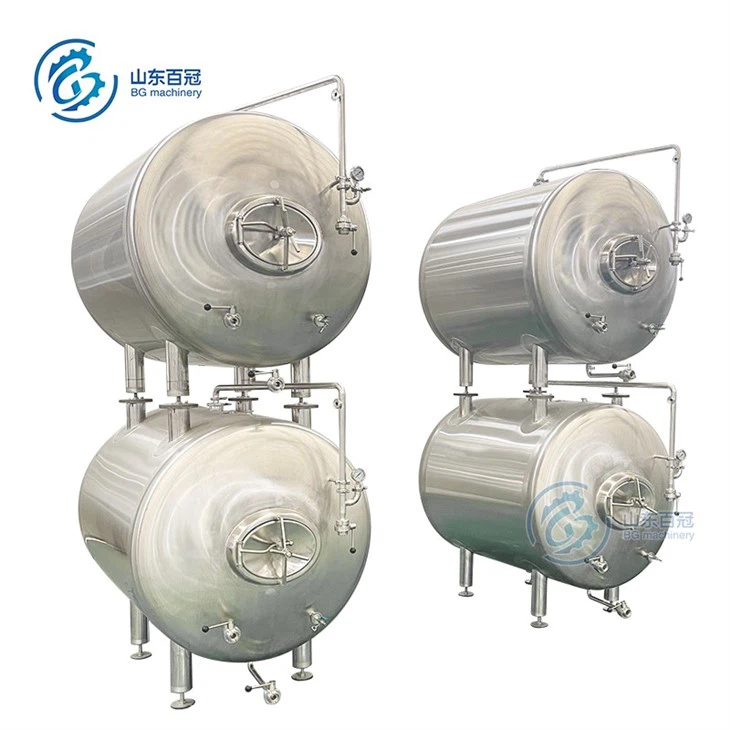
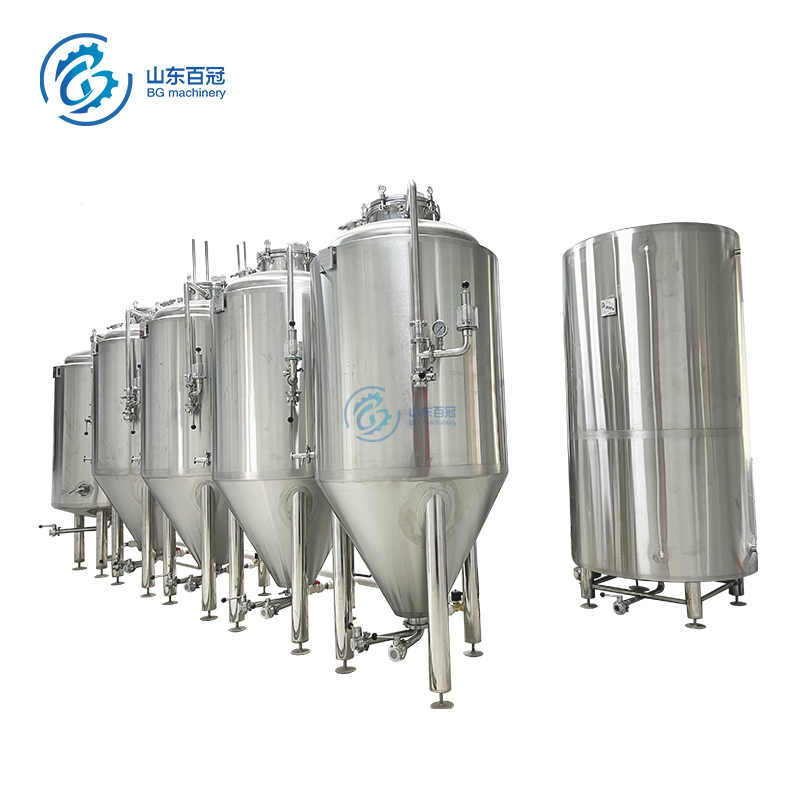
And our Pressurized Conical Fermenter is another example of our commitment to energy efficiency. It has a well-insulated body and a precise pressure and temperature control system, which helps to reduce energy consumption during the fermentation process.
In conclusion, there are several energy-saving measures you can take for a 2000L fermenter. From insulation and temperature control to renewable energy use and proper maintenance, every little bit helps. By implementing these measures, you can not only save on energy costs but also make your fermentation process more sustainable.
If you're interested in learning more about our 2000L fermenters or other brewing equipment, or if you have any questions about energy-saving measures, feel free to reach out to us. We're here to help you find the best solutions for your brewing needs.
References
- Smith, J. (2020). Energy Efficiency in Fermentation Processes. Journal of Brewing Technology, 15(2), 45-52.
- Johnson, A. (2021). Renewable Energy for Industrial Fermenters. Renewable Energy Review, 22(3), 78-85.
- Brown, C. (2019). Maintenance Tips for Energy-Efficient Fermenters. Fermentation Industry Magazine, 12(4), 33-39.